Best Syringe Assembly Machine for Efficient Production?
In the rapidly evolving field of medical manufacturing, the importance of an efficient Syringe Assembly Machine cannot be overstated. Experts like Dr. Emily Chen, a renowned figure in medical device engineering, emphasize, “The right machinery can significantly streamline production and improve product quality.” As demand for syringes rises, manufacturers face challenges in meeting both efficiency and reliability standards.
The selection of a high-quality Syringe Assembly Machine is crucial. Many machines claim to enhance productivity; however, not all deliver on this promise. Often, companies invest in advanced technology only to find that maintenance and operational issues hinder output. This reality underscores the importance of thorough research before acquisition.
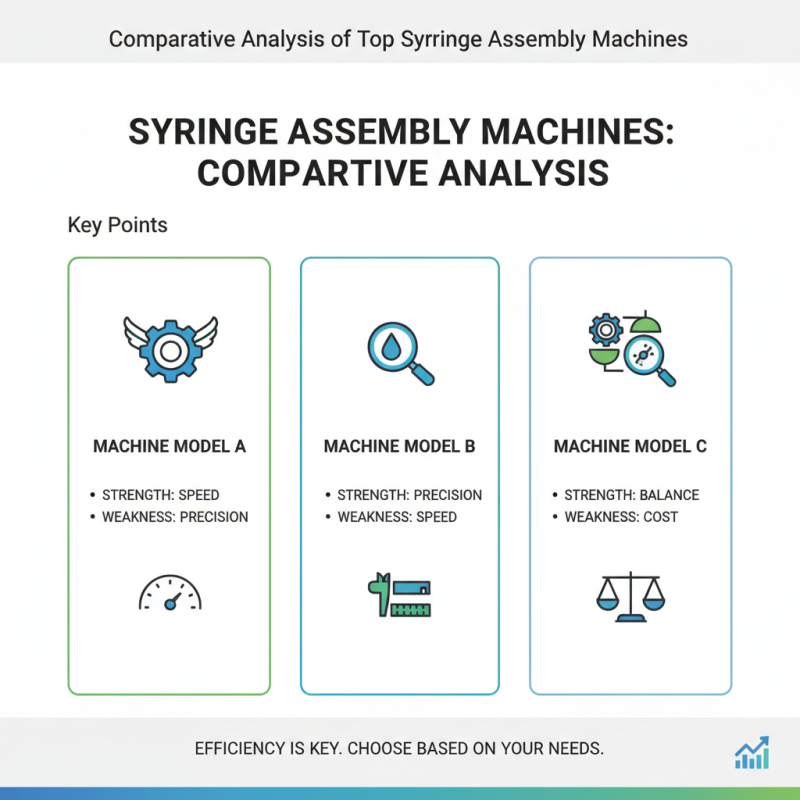
Choosing the best Syringe Assembly Machine requires balancing cost, performance, and support. Each manufacturer has unique needs, making it essential to consider not only immediate production goals but also long-term sustainability. Reflecting on the capabilities of available machines can reveal gaps in current systems, prompting necessary improvements. Ultimately, the right investment can lead to a transformative impact on production efficiency.
Types of Syringe Assembly Machines Available in the Market
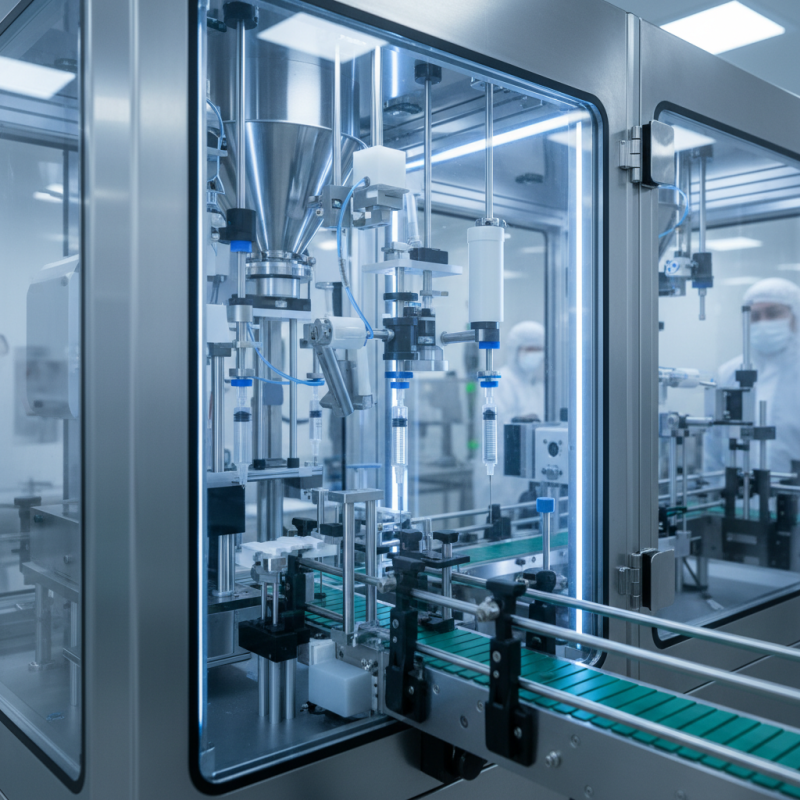
When exploring syringe assembly machines, understanding the available types is crucial. The market offers various options, each designed for specific production needs. For instance, semi-automatic machines are often favored for their balance between efficiency and cost. They allow operators to maintain quality control while still achieving reasonable output rates. Reports indicate that semi-automated systems can increase productivity by 25-30% compared to manual methods.
Fully automated machines represent the next level of efficiency. These systems handle high-volume production seamlessly, often reaching speeds of over 100 syringes per minute. However, they typically require a significant upfront investment. A recent industry analysis highlighted that automated assembly lines can reduce labor costs by up to 40%, but they must be regularly maintained to ensure reliability.
Liquid handling systems, which manage the precise filling of syringes, are another critical type. Their importance cannot be overstated. Incorrect fluid handling can lead to product waste and safety issues. According to a study, improper handling during assembly can yield a failure rate exceeding 15%. This raises questions about the importance of training operators on these systems. Ultimately, the right choice of machine depends on production goals, budget, and quality standards.
Key Features to Consider for Efficient Production
When selecting a syringe assembly machine, efficiency is a critical factor. Key features can greatly impact production rates. A recent report from the International Society for Pharmaceutical Engineering indicates that machines with high-speed assembly capabilities can increase production by up to 25%. This is essential for meeting market demands and maintaining supply chain efficiency.
Another critical element is automation. Machines equipped with advanced robotics not only enhance speed but also improve precision. According to a 2022 study, automation reduces human error by approximately 30%. This contributes to higher quality products and fewer recalls. Additionally, machines with integrated monitoring systems provide real-time data. This allows for better quality control during production.
However, not all machines are perfect. Some may underperform due to lack of user-friendly interfaces or maintenance issues. It's important to consider the ease of operation, as complicated machines can lead to higher training costs. Investing in user-friendly technology may seem costly initially but can lead to long-term savings and efficiency improvements. Balancing cost with these essential features will ensure better production outcomes in any operational setting.
Benefits of Using Automated Syringe Assembly Machines
Automated syringe assembly machines bring substantial benefits to manufacturers.
These machines offer speed and accuracy in the assembly process.
With increased production rates, companies can meet higher demands. This efficiency also reduces labor costs, allowing businesses to
reallocate resources.
Using automated systems minimizes human error, enhancing product safety. Each component is
assembled with precision, which is crucial in the medical field. The consistency in quality helps maintain regulatory compliance, which is vital.
However, transitioning to automation can be daunting. Some manufacturers may struggle with the
initial investment and training staff. Not all machines fit every operation, requiring careful selection.
The advantages of automated assembly should be weighed against these challenges. Inadequate preparation can lead to setbacks.
It's essential to conduct thorough research and engage with experts. This ensures the right machine is chosen, maximizing its benefits.
Embracing technology will lead to better workflows and outcomes in the long run.
Maintenance and Safety Considerations for Syringe Assembly Equipment
Maintenance of syringe assembly machines is crucial for keeping production lines running smoothly. Regular checks should focus on wear and tear. Components such as motors, belts, and nozzles need thorough inspection. Small issues can escalate quickly. Addressing potential failures before they occur saves time and cost.
Safety considerations cannot be overlooked. Operators should receive training on equipment handling. Personal protective equipment (PPE) is essential. Sometimes, safety features may fail, leading to hazards. Implementing protocols for emergency situations adds another layer of protection. This proactive approach fosters a culture of safety.
Cleaning is equally important in maintenance. Contaminants may lead to serious quality issues. Regular cleaning schedules should align with production volumes. A clean workspace minimizes risks. There may be a temptation to skip these steps during busy periods. However, this may lead to bigger setbacks. Efficiency and safety go hand in hand in syringe assembly.
Best Syringe Assembly Machine for Efficient Production? - Maintenance and Safety Considerations for Syringe Assembly Equipment
| Machine Model |
Production Capacity (units/hour) |
Maintenance Frequency (days) |
Safety Features |
User Feedback Score (out of 10) |
| Model A |
1200 |
30 |
Emergency Stop, Safety Guards |
9.2 |
| Model B |
800 |
45 |
Automatic Shutdown, Safety Alarms |
8.7 |
| Model C |
1500 |
25 |
Interlock Systems, Safety Covers |
9.5 |
| Model D |
950 |
60 |
Two-Hand Operation, Emergency Shutoff |
8.3 |
| Model E |
1100 |
35 |
Safety Sensors, Lockout Mechanisms |
9.0 |