What is Capsules Filling Machine and How Does It Work?
The Capsules Filling Machine is a crucial component in the pharmaceutical and nutraceutical industries. Its efficiency in filling capsules with precise dosages directly impacts production volumes. According to a recent market report by Grand View Research, the global market for capsule filling machines is expected to reach $1.6 billion by 2025, highlighting the growing demand for automated solutions in this sector.
Dr. Emily Carr, an industry authority, states, "The Capsules Filling Machine increases productivity while ensuring quality control." This sentiment resonates across manufacturers striving to meet rising demands without compromising product integrity. The shift towards automation reflects the necessity for accuracy in filling processes, reducing the risk of human error, and enhancing operational efficiency.
However, challenges remain. Industries must adapt to evolving technologies and maintain compliance with stringent regulations. The search for sustainability in materials and energy usage continues. As companies integrate the Capsules Filling Machine into their operations, a focus on continual improvement and adaptability is essential for long-term success.
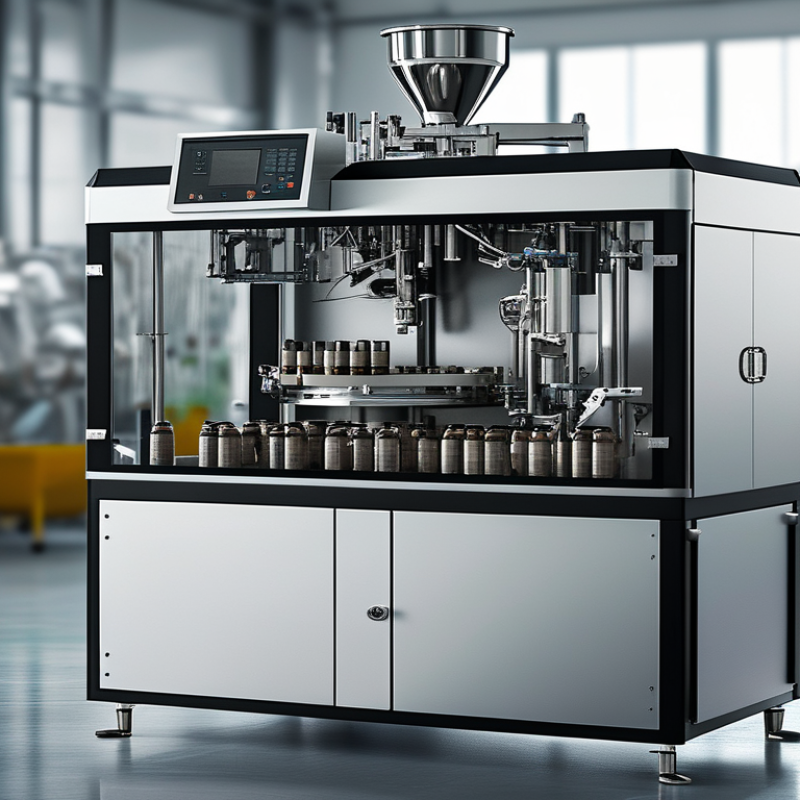
What is a Capsule Filling Machine?
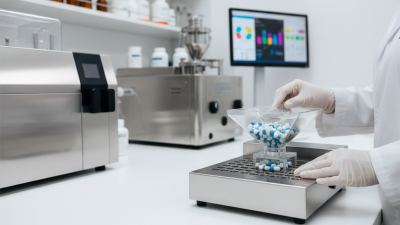
A capsule filling machine is a device designed to fill empty capsules with powders or granules. These machines are often used in the pharmaceutical and nutraceutical industries. They can significantly enhance production efficiency. By automating the filling process, manufacturers save time and reduce human error.
The operation of a capsule filling machine is quite straightforward. First, the empty capsules are placed into specific slots. The machine then dispenses the desired quantity of the filling material into each capsule. Depending on the machine's design, this can be accomplished using different mechanisms, such as vibrational or auger filling systems. Many machines also have capping features, sealing each capsule securely after filling.
While capsule filling machines improve efficiency, they can pose challenges. One common issue is ensuring a consistent fill weight. Overfilling or underfilling can lead to product quality problems. Proper calibration is essential for accuracy and reliability. Additionally, maintenance of the machine is crucial. Regular checks can prevent breakdowns and ensure smooth operation. This requires vigilance and a commitment to quality control from operators.
The Components of a Capsule Filling Machine
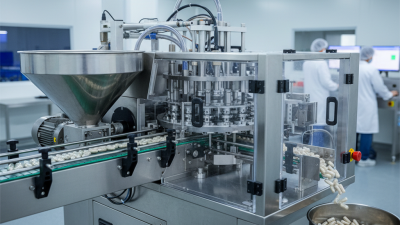
Capsule filling machines are essential in pharmaceutical and nutraceutical industries. They allow for efficient and precise filling of capsules with powders, granules, or pellets. A typical machine consists of several key components, each playing an important role in the filling process.
The first component is the hopper. It holds the material to be filled. The design often allows for easy cleaning and accessibility. Next is the dosing device. This mechanism accurately measures the dose of the material for each capsule. It ensures that every capsule contains a consistent amount, vital for efficacy. A good dosing device can significantly reduce waste—an important factor in production cost efficiency.
Tips: Regular maintenance of these components can prevent malfunctions and enhance reliability. Operators should routinely check for wear and tear.
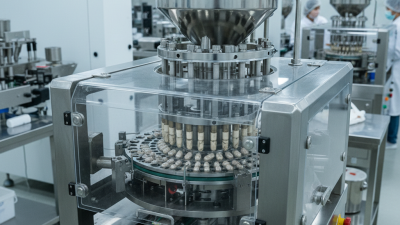
Another essential part is the encapsulation module. It combines capsule halves and inserts the filling. Different types of machines use various techniques, such as rotary or linear motions. Industry reports show that the demand for capsule filling machines is increasing. An estimated 20% growth is projected over the next five years, driven by the rise in dietary supplements.
Advanced models also include automated features for counting and sorting capsules. This increases productivity and reduces human error. However, some machines can be complex, requiring skilled operators for optimal use. Continuous training is essential to keep up with the technology. Understanding how these components work together can greatly enhance production efficiency.
The Capsule Filling Process Explained Step-by-Step
Capsule filling machines are essential for the pharmaceutical and nutraceutical industries. Understanding the capsule filling process can enhance efficiency in production. The process begins with selecting the right type of capsules, typically gelatin or vegetarian alternatives. Once the capsules are prepared, the machine aligns them properly for filling.
Next, the filling system dispenses the powdered substance into the open capsules. Precision is key to ensure each capsule has a consistent amount. After filling, the machine caps each capsule securely. This step is vital for keeping the contents safe and controlled. Operators must monitor this process closely to avoid wastage and ensure quality.
In some cases, unexpected issues may arise. An inconsistent fill or jams can occur, leading to delays. Operators need to be prepared with solutions. Regular maintenance of the machine can prevent many problems. Overall, understanding each step in the capsule filling process is crucial for success in this field.
Types of Capsule Filling Machines Available
Capsule filling machines are essential in the pharmaceutical and nutraceutical industries. They come in various types, each designed for specific needs. Manual, semi-automatic, and fully automatic machines are the main categories. Each type offers unique advantages and challenges.
Manual capsule filling machines are cost-effective. They require human input, which can lead to inconsistencies in dosage. Speed is limited, making them suitable for small batches. Semi-automatic machines, on the other hand, provide a balance between human control and automation. They boost efficiency while allowing for error-checking.
Fully automatic capsule filling machines offer the highest efficiency. They handle large volumes of capsules quickly and consistently. However, they tend to be costly and can be complex to operate. Training is crucial to mitigate errors. Understanding the type of machine required depends on production needs and budget constraints. Each machine type carries its own set of benefits and drawbacks, affecting overall production quality.
Types of Capsule Filling Machines and Their Efficiency
Benefits and Applications of Capsule Filling Machines
Capsule filling machines offer numerous benefits across various industries. They are widely used in pharmaceuticals, nutraceuticals, and food industries. The precise dosage they provide ensures consistent quality in each capsule. This is vital for maintaining efficacy in medications and supplements. Companies benefit from increased efficiency, as machines can fill hundreds or thousands of capsules per hour. This high throughput reduces labor costs significantly.
Another advantage is flexibility. Capsule filling machines can handle different capsule sizes and formulations easily. This adaptability allows manufacturers to switch between products without extensive downtime. Additionally, the machines improve hygiene standards. Automated processes minimize human contact, reducing contamination risks. Maintaining strict quality control can be challenging, but these machines enhance accountability through accurate measurements.
Despite these advantages, there are challenges. Not all formulations are suitable for capsule filling. Some powders and granules may not flow well, affecting the filling process. Operators must regularly calibrate equipment. This requires trained personnel with expertise in machine operation. Investing in high-quality machinery can be costly, yet the long-term savings may justify the expense. Each facility must assess its specific needs carefully to maximize the benefits of capsule filling technology.
What is Capsules Filling Machine and How Does It Work? - Benefits and Applications of Capsule Filling Machines
| Parameter |
Description |
Benefit |
| Filling Capacity |
The amount of powder or granules that can be filled in one cycle. |
Optimizes production efficiency. |
| Machine Speed |
Number of capsules filled per hour. |
Increases overall output. |
| Filling Accuracy |
Precision in the amount of product filled in each capsule. |
Ensures product consistency and quality. |
| Types of Capsules |
Hard gelatin, vegetarian, or enteric-coated capsules. |
Flexibility for different formulations. |
| User-Friendliness |
Ease of operation and maintenance. |
Reduces training time and operational errors. |
| Applications |
Pharmaceuticals, nutraceuticals, and food industries. |
Diverse usage across sectors. |