




Blog
China Best CBD Monobloc Filling Machine Supplier?
Choosing a China Best CBD Monobloc Filling Machine Supplier requires more than comparing prices or advertised output. The decision should begin with product viscosity, bottle dimensions, closure design, and legally permitted manufacturing requirements. A suitable monobloc may combine rinsing, filling, and capping in one compact frame. It should also provide cleanable contact parts, controlled dosing, and documented validation support.
Industry evidence supports this careful approach. PMMI’s 2024 packaging reports identify labor shortages, automation, and equipment flexibility as major investment drivers. Grand View Research also reports continued growth in automated filling equipment, especially where manufacturers need repeatable accuracy and reduced handling. These findings do not prove that every Chinese supplier is reliable. They show why factory audits, sample testing, and after-sales capability matter.
“Automation must solve a real production problem,” says packaging specialist Jorge Izquierdo of PMMI. That principle fits CBD Monobloc purchasing. The best machine is not always the fastest. It may be the one that maintains stable fill weights at 30 bottles per minute, while operators inspect a clear safety guard and record batch data.
Small details matter.
Ask for stainless-steel grade certificates, filling accuracy results, changeover time, and cleaning instructions. Request references from comparable, legally compliant facilities. Review software access, spare-parts availability, and remote troubleshooting procedures. A supplier may promise 6,000 bottles per hour, yet actual performance can change with oil thickness, temperature, and bottle shape. That assumption needs testing. This guide examines Chinese manufacturers through measurable evidence, practical experience, and transparent compliance expectations.
What Is a CBD Monobloc Filling Machine?
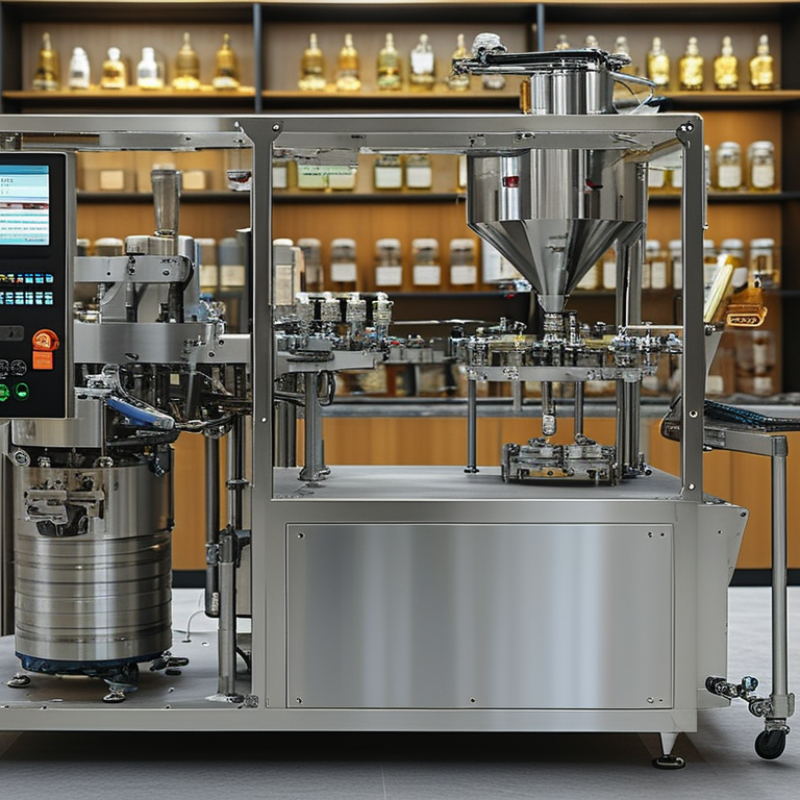
A CBD monobloc filling machine combines several packaging operations in one compact frame. It may arrange bottles, fill liquid, insert droppers, cap containers, and apply seals. “Monobloc” means these stations share one integrated drive and control system. This reduces manual transfers, floor space, and contamination risks.
For permitted CBD formulations, accurate dosing matters. Viscosity, foaming, suspended particles, and oil separation can change filling results. A practical machine trial should measure fill-weight variation, container compatibility, cleaning time, and changeover performance. PMMI reported that U.S. packaging machinery shipments reached about 10.5 billion dollars in 2022. Its industry analysis also highlights automation and flexible formats as major purchasing factors. These figures support careful automation, not blind automation. A faster line can still create waste when settings are poorly validated.
Tips: Request documented accuracy tests using your actual liquid. Check contact materials, cleanability, guarding, and emergency controls. Confirm whether the supplier supports local electrical standards and permitted-market requirements. EU GMP guidance and FDA quality principles both emphasize controlled processes and traceable records, although CBD rules differ by jurisdiction. Do not rely on a brochure alone. A video test may look convincing, but it cannot replace a signed factory acceptance test. Even experienced buyers sometimes overlook small bottle-neck variations. That mistake can disrupt an otherwise capable monobloc line.
| Data Dimension | Typical Technical Data | What It Means for CBD Liquid Packaging |
|---|---|---|
| Machine Definition | Integrated filling and capping system | A monobloc machine combines two or more operations in one compact unit, commonly liquid filling followed by cap placement and capping. |
| Common CBD Products | CBD oils, tinctures, oral drops, cosmetic serums, and other low-to-medium-viscosity liquids | The product formula, viscosity, foaming behavior, and container design determine the appropriate pump, nozzle, and filling method. |
| Filling Technology | Peristaltic, piston, time-pressure, or flowmeter filling | Peristaltic pumps can reduce product contact with the pump components, while piston and flowmeter systems are often selected for higher throughput or specific viscosity ranges. |
| Typical Fill Volume Range | Approximately 5–500 mL, depending on the machine configuration | Actual operating limits depend on the pump, filling nozzle, bottle dimensions, and required dose accuracy. A sample test should be completed before purchase. |
| Typical Production Speed | Approximately 20–120 bottles per minute | Output varies with bottle size, fill volume, cap type, number of filling heads, indexing method, and the time required for cap placement and tightening. |
| Filling Accuracy | Commonly within approximately ±0.5% to ±1.0% under stable conditions | Accuracy depends on liquid properties, measuring technology, temperature, container consistency, and correct machine calibration. The guaranteed specification should be confirmed by a factory acceptance test. |
| Container Compatibility | Glass, PET, HDPE, and other compatible bottles | The machine must be matched to the bottle diameter, height, neck finish, shoulder shape, and material to prevent tipping, scratching, or inconsistent positioning. |
| Common Closure Types | Dropper caps, screw caps, pump closures, and child-resistant closures | Cap feeders and capping heads must be designed for the selected closure. Torque control is important for consistent sealing without damaging the cap or bottle. |
| Product-Contact Materials | Typically 316L stainless steel, food-grade tubing, and compatible elastomers | Materials should be selected for compatibility with carrier oils, botanical extracts, fragrances, alcohol, and cleaning agents used in the formulation. |
| Hygienic Design | Stainless-steel frame, smooth surfaces, limited product-retention areas, and accessible change parts | A hygienic layout simplifies cleaning and reduces the risk of cross-contamination between different liquid products or batches. |
| Cleaning Method | Manual cleaning or clean-in-place features, depending on the configuration | Quick-release tubing, removable nozzles, drainable product paths, and documented cleaning procedures can reduce changeover time and support repeatable sanitation. |
| Control System | PLC-based control with touchscreen operator interface | Typical controls include fill-volume settings, speed adjustment, bottle-count display, alarm messages, recipe storage, and access protection for critical parameters. |
| Electrical Supply | Commonly 220 V, 50 Hz, single-phase or three-phase; other configurations may be available | Electrical requirements must match the installation site. Voltage, frequency, phase, compressed-air requirements, and plug type should be confirmed before shipment. |
| Compressed-Air Requirement | Often approximately 0.5–0.7 MPa, where pneumatic components are used | Actual air consumption depends on the capper, stopper system, valves, and other pneumatic components. A clean, dry air supply is normally required. |
| Changeover Capability | Format parts and parameter adjustment for different bottle or cap sizes | Tool-free adjustments, clear scale markings, stored recipes, and quick-change components can improve flexibility when packaging several CBD products. |
| In-Line Inspection Options | Liquid-level checks, bottle-presence sensors, cap-presence detection, torque monitoring, and reject devices | Inspection functions can help identify missing caps, incorrect fills, unstable bottles, or improperly tightened closures before products leave the line. |
| Safety Features | Guarding, emergency-stop buttons, interlocked doors, and overload protection | Safety systems help protect operators and should comply with the applicable electrical, machinery, and workplace-safety requirements for the installation location. |
| Supplier Evaluation Criteria | Application testing, documented specifications, spare-parts support, validation documents, and service capability | A suitable supplier should demonstrate the machine with the actual CBD formulation, bottle, closure, and target fill volume rather than relying only on general catalog specifications. |
Note: The numerical ranges shown are typical industry planning values, not guaranteed performance specifications. Final values should be confirmed through product trials, container samples, and a written technical specification.
Related Posts
-

Ultimate Guide to Efficient Capsule Loader Machine Solutions for Your Production Needs
-
Best Capsules Filling Machine for Efficient Production?
-
Top 10 Benefits of Using a Powder Mixture Machine in Manufacturing
-

Ultimate Guide to Selecting the Right Tablets Press Machine Tips for Success
-
Top 10 Fluidized Bed Processors for Global Buyers?
-

7 Essential Tips for Optimizing Your Syringe Assembly Machine Efficiency