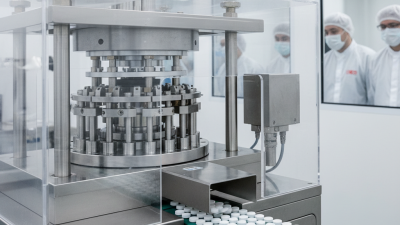
Why Choose a Tablet Press for Your Manufacturing Needs?
In the fast-paced world of manufacturing, choosing the right equipment is crucial. A Tablet Press stands out as an essential tool for producing high-quality tablets efficiently. According to recent industry reports, the global tablet manufacturing market is projected to reach $5 billion by 2025, highlighting a growing demand for reliable production methods. This indicates that companies must prioritize effective machinery to stay competitive.
Tablet Presses are particularly valued for their precision and consistency. They can produce thousands of tablets per hour, optimizing production times significantly. However, not all Tablet Presses are equal. Some models may require frequent maintenance, leading to downtime and potential revenue loss. It is essential for manufacturers to carefully consider their specific needs and the capabilities of various presses available on the market.
Moreover, the choice of a Tablet Press can impact product quality. Reports show that improper machinery can result in inconsistent tablet weight and hardness, affecting consumer trust. Manufacturers should prioritize presses that provide the right specifications for their formulations. An informed decision will ensure production efficiency and high-quality output that meets market demands.
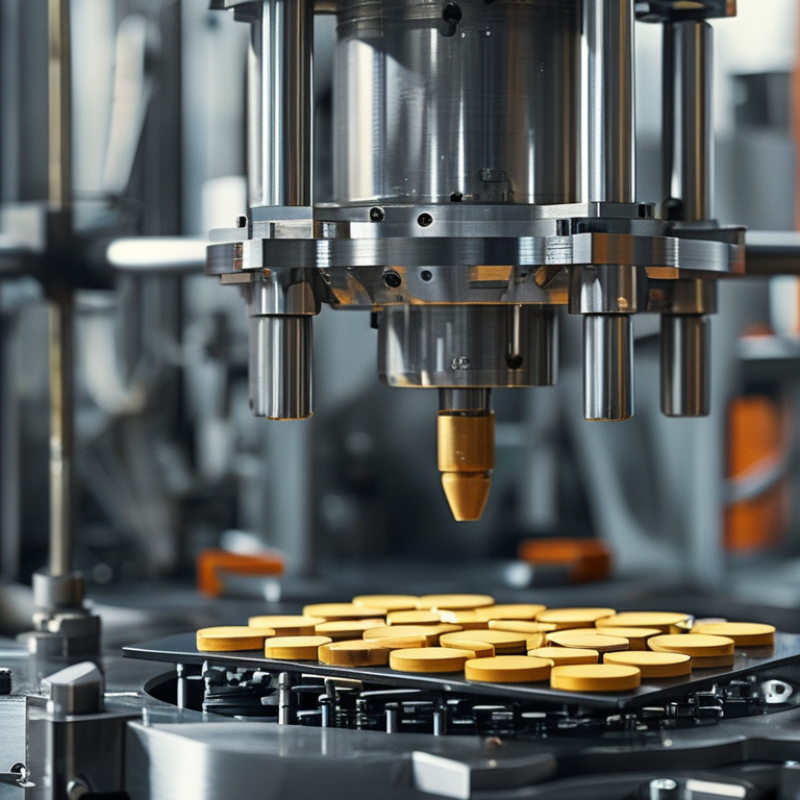
Benefits of Tablet Presses in Pharmaceutical Manufacturing
Tablet presses play a crucial role in pharmaceutical manufacturing by ensuring high productivity and precision. The global tablet press market was valued at approximately $1.5 billion in 2022 and is projected to grow significantly. The efficiency of tablet presses allows manufacturers to produce thousands of tablets per hour. This capability reduces production time and enhances overall efficiency.
Quality consistency is another key benefit. Tablets produced by automated machines typically exhibit lower variability in size and weight. According to industry reports, the rejection rate of poorly manufactured tablets can exceed 10%. This not only incurs financial loss but also impacts brand credibility. Implementing tablet presses can help mitigate these issues.
Tips: Regular maintenance of tablet presses is vital. Neglect can lead to increased wear and tear. Ensuring staff is adequately trained in operation and troubleshooting is equally crucial. This keeps production seamless and reduces downtime. Remember, even the best machines require careful oversight and adjustments. Regularly reviewing production data can reveal patterns that may need addressing.
Benefits of Tablet Presses in Pharmaceutical Manufacturing
How Tablet Presses Improve Production Efficiency and Consistency
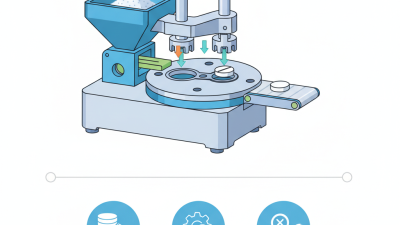
When it comes to manufacturing, tablet presses stand out for their ability to enhance production efficiency. By automating the compression of powders into uniform tablets, these machines significantly reduce production time. Each cycle is faster than manual processes, saving valuable hours in large-scale operations. This speed not only increases output but also minimizes labor costs. Still, it is crucial to ensure proper training for operators to maximize efficiency with minimal errors.
Consistency in production is another key benefit of tablet presses. They maintain strict control over weight, thickness, and hardness. This uniformity is essential in industries like pharmaceuticals, where dosage accuracy is critical. However, the reliance on machinery can lead to occasional quality issues. If maintenance is overlooked, it may result in inconsistencies in the final product. Regular checks and calibrations are essential to uphold standards, ensuring that each tablet meets precise specifications.
Moreover, tablet presses can be tailored for different formulations and materials. This flexibility allows manufacturers to adapt quickly to changing market demands. However, it also requires a deep understanding of each product’s unique requirements. Rushing through the setup can lead to mistakes. A thoughtful approach to production planning can help avoid costly oversights while ensuring high-quality outcomes.
The Versatility of Tablet Presses in Various Industries
Tablet presses are incredibly versatile tools used across various industries. They offer solutions for pharmaceutical, food, and cosmetics manufacturing. These machines can produce tablets of different shapes and sizes. They adapt well to diverse formulations, making them suitable for numerous applications. The design of a tablet press allows for precise control over tablet weight and hardness. This adaptability can enhance production efficiency.
In the pharmaceutical sector, tablet presses are vital for producing medications. Tablets must meet strict regulations with consistent dosages. Operators must regularly monitor the equipment to maintain quality. In the food industry, these machines create dietary supplements and functional foods. However, it's crucial to invest time in testing formulations to achieve desired outcomes. A lack of attention to detail can lead to product inconsistencies.
Cosmetic manufacturers also benefit from tablet presses. They produce beauty supplements that require unique tablet characteristics. Using these machines in diverse sectors shows their significant impact. Yet, depending solely on automation can lead to oversight. Regular manual checks are essential for maintaining product quality and reliability. Balancing automation with human expertise is often the key to success.
Key Features to Consider When Choosing a Tablet Press
When selecting a tablet press, several key features should come to the forefront. The first consideration is the press type. Different types of presses serve different functions. Understanding the distinction can help meet specific production needs. Some presses are ideal for high-speed manufacturing. Others may be better suited for smaller batches or complex formulations.
Next, assess the press capacity. This refers to how many tablets can be produced in a specific time frame. A higher capacity often means more efficiency, but this must align with business goals. Manufacturers must balance speed and quality. It’s essential to ensure that the chosen machine can maintain tablet integrity at higher speeds, which can sometimes be a challenge.
Finally, consider user-friendly controls and maintenance needs. A machine with intuitive controls reduces training time for operators. Meanwhile, ease of maintenance ensures consistent performance. Regular maintenance is crucial to avoid breakdowns. Ultimately, the right tablet press should harmonize efficiency and usability, but it might take trial and error to find the perfect fit for your operations.
Maintenance and Operations: Maximizing Your Tablet Press Investment
Maintaining a tablet press is crucial for optimizing production efficiency. Regular maintenance prevents costly downtime and extends the life of the equipment. Operators should establish a schedule for checking key components, including the punch tooling and die specifications. Missing these checks can lead to increased wear and inconsistent tablet quality.
Tips: Always inspect tablets for weight variation. Keep records of all inspections and repairs. Consider training operators on routine maintenance tasks. Proper training enhances the reliability of your tablet press.
Operations must focus on maximizing efficiency. Understanding the material properties is essential. Different formulas may require adjustments in pressure or speed settings. Operators should be attentive to any signs of malfunction. An experienced eye can spot issues before they escalate, ensuring a steady production flow.
Tips: Adjust the feed frame regularly. Utilize monitoring tools for real-time data. This data can highlight areas needing improvement. Continuous observation will help in identifying trends and potential maintenance needs.
Why Choose a Tablet Press for Your Manufacturing Needs?
| Feature |
Description |
Benefits |
| Efficiency |
Automates tablet production, allowing for high-speed output. |
Increased production rates and reduced labor costs. |
| Consistency |
Ensures uniform tablet size, weight, and hardness. |
Improved product quality and reduced waste. |
| Ease of Operation |
User-friendly interface with advanced control settings. |
Faster training for operators and reduced operational errors. |
| Maintenance Requirements |
Built with materials that ease regular maintenance. |
Lower downtime and maintenance costs. |
| Versatility |
Capable of processing various formulations. |
Flexibility to produce different tablet types. |
| Cost-effectiveness |
Initial investment balanced by long-term savings. |
Higher ROI through efficient production processes. |