How to Choose the Right Syringe Assembly Machine for Your Production Needs?
Choosing the right Syringe Assembly Machine can significantly impact your production efficiency. With a range of options available, understanding your specific needs is essential. Different manufacturers offer various machines tailored for unique applications.
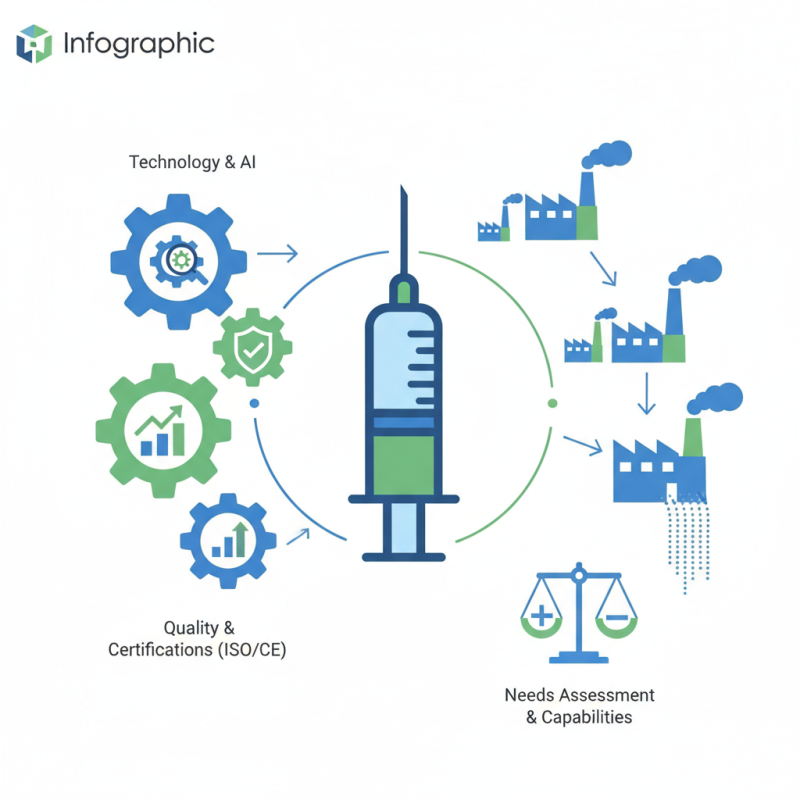
Quality is paramount when selecting a Syringe Assembly Machine. Look for machines with certifications like ISO and CE. These ensure reliability and safety in the manufacturing process. However, don’t overlook your production volume. A machine too small might hinder growth, while one too large could inflate costs unnecessarily.
Integration of technology, such as AI, can also enhance your selection process. Advanced features like intelligent search and navigation can help you find the best machines quickly. However, be cautious, as not every feature may align with your needs. Assessing your requirements and the machine’s capabilities is vital for optimal performance.
Understanding the Different Types of Syringe Assembly Machines
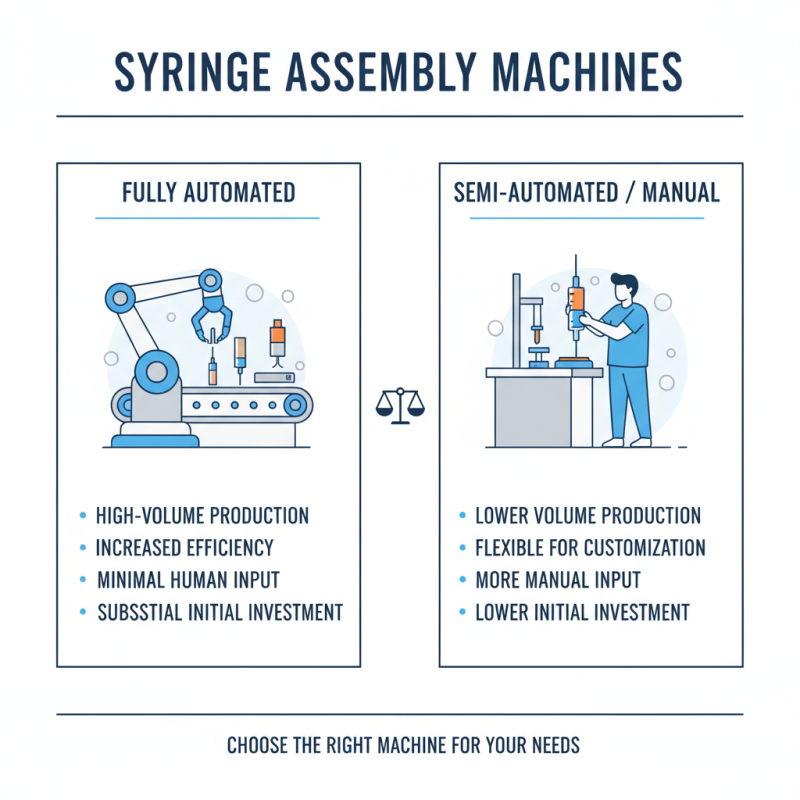
Choosing the right syringe assembly machine requires understanding the types available. There are various machines, each designed for specific tasks. Some machines are fully automated, while others require manual input. Fully automated machines increase efficiency. They can handle high-volume production seamlessly. However, the initial investment can be substantial.
Then, there are semi-automated machines. These machines provide flexibility. They require some manual handling but can still process a good volume. This could suit smaller operations or those testing new products. It’s essential to assess your production scale. Some might find semi-automated machines sufficient, while others need full automation.
Another option is manual assembly machines. These are less expensive but labor-intensive. They might not meet the demands of high-frequency production lines. Quality control can be an issue here. A slower process doesn’t support rapid scaling. Each type has its pros and cons. Reflecting on these aspects can guide better choices.
Evaluating Production Capacity and Speed Requirements
Choosing the right syringe assembly machine involves evaluating production capacity and speed requirements. Many manufacturers overlook these critical factors. The structure and design of the machine can significantly influence output. According to recent industry reports, the average production speed of syringe assembly machines ranges from 200 to 600 units per minute.
This variance highlights the importance of assessing your specific production needs. If your facility requires high-volume output, machines with higher speeds should be prioritized. However, higher speeds can compromise quality. A report indicated that defects rose by 10% in machines operating at peak speeds without adequate quality checks.
Investments in machines offering adjustable speeds can further enhance efficiency. Machines allowing for gradual speed adjustments provide flexibility for varying production batches. It's essential to analyze past production data. Identify peak demand periods. This may prevent potential bottlenecks and ensure quality remains consistent even during high output times.
Production Capacity and Speed Requirements for Syringe Assembly Machines
Assessing Quality Control Features in Syringe Assembly Machines
When selecting a syringe assembly machine, quality control features are crucial. A recent report by the International Journal of Advanced Manufacturing Technology highlights that around 70% of production issues stem from inadequate quality control. A machine’s ability to detect defects in real-time can significantly reduce waste and increase efficiency.
Look for machines equipped with vision systems.
These systems can identify damaged components or incorrect assemblies. A case study showed that a well-implemented vision system reduced defect rates by 40%. Moreover, precise measurement tools like laser calibration ensure that each syringe meets strict standards.
It’s essential to reflect on current practices. Some manufacturers prioritize speed over quality, leading to higher costs down the line. Nearly 50% of businesses reported increased returns due to quality failings. Regular audits of the assembly process can help identify weaknesses. Investing in quality control features today can protect your reputation tomorrow.
Determining the Compatibility with Syringe Types and Sizes
When selecting a syringe assembly machine, compatibility with various syringe types and sizes is crucial. Different syringes require specific handling and assembly processes. For instance, a machine suitable for standard luer lock syringes may struggle with specialty syringes. This mismatch can lead to inefficiencies and increased production time.
Evaluate the range of syringe sizes your production entails. Some machines may only cater to a narrow spectrum, limiting your flexibility. A precise fit matters. If you produce multiple sizes, consider machines that can easily adjust to different specifications. Look for features like interchangeable parts or customizable settings.
Pay attention to the materials used in your syringes. Plastic and glass syringes have distinct assembly needs. Machines should accommodate for this difference. It's also important to assess the machine's ease of use and maintenance. Complex systems can create frustration and downtime. Striking a balance between efficiency and adaptability is essential for long-term success in syringe production.