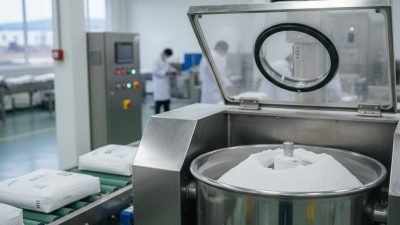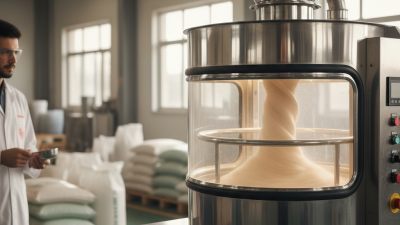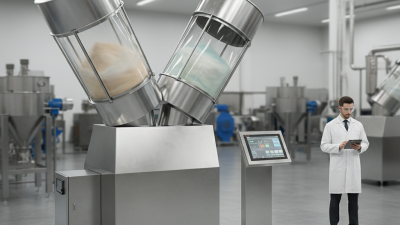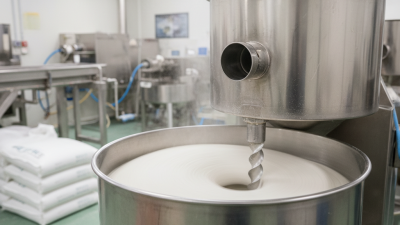

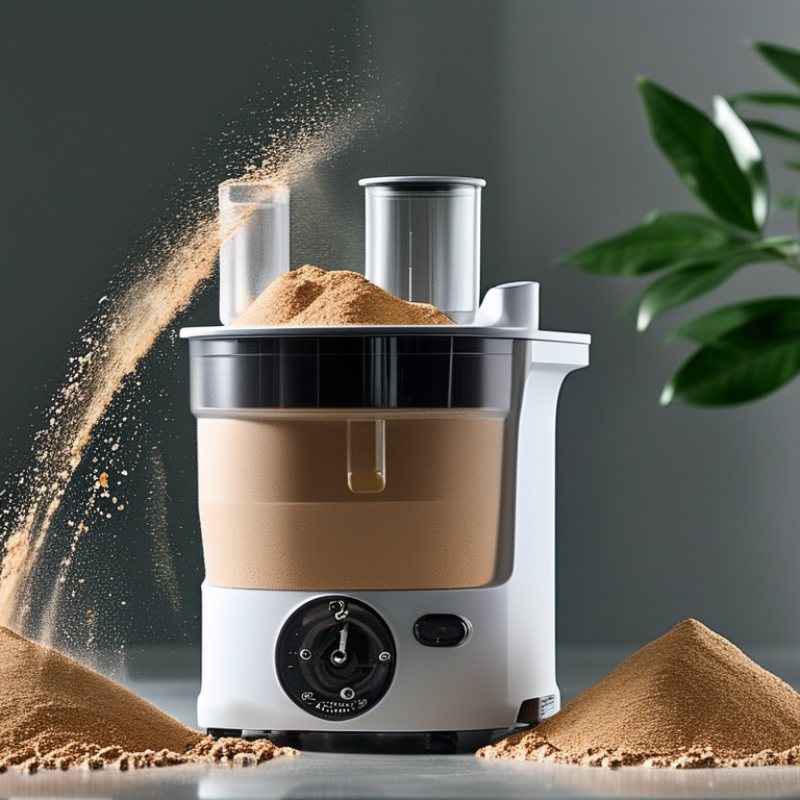
How to Choose the Right Powder Mixing Machine?
Selecting the best machine starts with your production needs, not the machine’s advertised capacity. Identify powder type, batch size, moisture level, bulk density, and required mixing time. A light, free-flowing powder may blend quickly, while a cohesive powder can form stubborn pockets. Measure twice.
I have seen efficient-looking equipment struggle when the powder became slightly damp. Laboratory tests should copy real production conditions, including temperature and loading sequence. Check whether the mixer provides gentle movement or intensive shear. Excessive force may damage fragile particles, create heat, or increase dust. The discharge design also matters. Residue trapped around corners can affect the next batch and increase cleaning work.
Consider operator access, cleaning time, inspection points, and maintenance frequency. A machine that mixes perfectly but takes hours to clean may reduce daily output. Ask for test data using your actual materials, not a similar substitute. Review mixing uniformity from several sample locations, including the center and discharge area. Watch the discharge.
Safety features deserve practical attention. Sealed connections, suitable dust control, guarding, and clear operating procedures support reliable production. Automation can improve repeatability, but it cannot correct poor loading or inconsistent ingredients. A previous choice may look wrong after testing; that is useful evidence, not failure. Leave enough space for service access and future process changes. Production rarely stays exactly as planned.