What Is Mixer Powder and How Is It Used?
Mixer Powder is not one universal substance. The term usually describes dry powders prepared or processed in industrial mixing systems. These powders may include ingredients, minerals, polymers, pigments, or pharmaceutical excipients. Their purpose depends on the final product and the mixing process.
Dr. Tim Freeman, a recognized powder-characterization specialist, has stated, “Powder flowability is not an intrinsic property; it depends on the conditions under which it is measured.” This principle matters when selecting Mixer Powder for production. A powder can flow smoothly through a hopper but form lumps inside a mixer. Moisture, particle size, density, electrostatic charge, and mixing speed all influence performance. Small differences can affect blending uniformity, filling accuracy, and product stability.
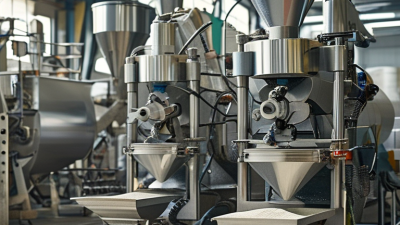
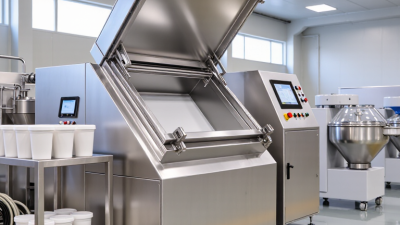
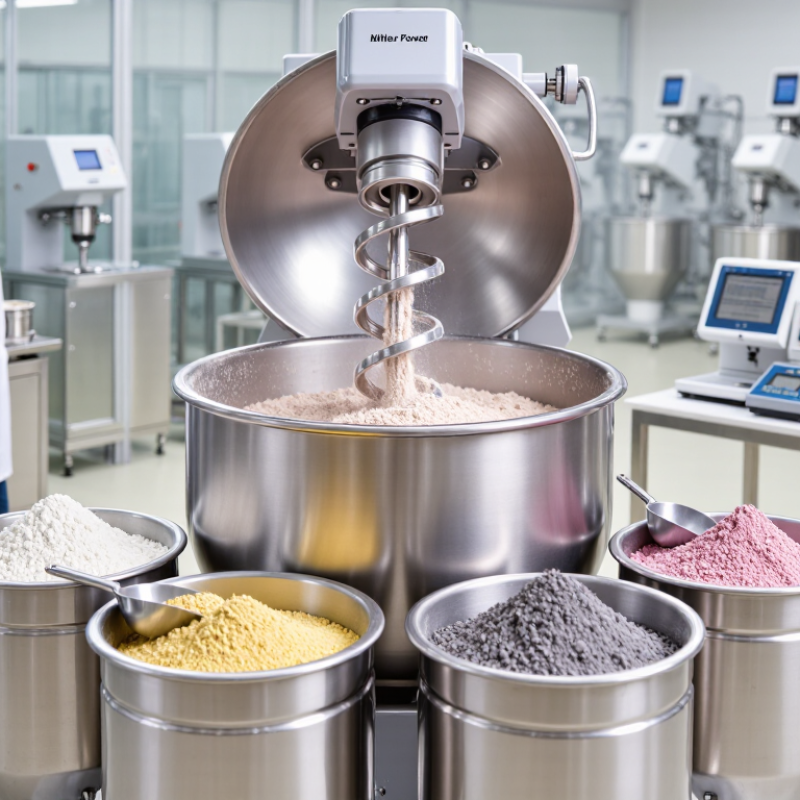
In practice, operators may load Mixer Powder into ribbon blenders, paddle mixers, planetary mixers, or high-shear systems. They monitor mixing time, temperature, dust formation, and discharge behavior. A simple visual check is not enough. Reliable evaluation may include sieve analysis, moisture testing, bulk-density measurement, and sampling from several mixer locations. The process should also protect workers from airborne particles and prevent cross-contamination.
The details matter.
This topic is not completely simple. “Mixer Powder” can mean different materials across industries, and suppliers may use the term loosely. Therefore, buyers should review technical data sheets, safety information, batch records, and application tests before production. A practical trial often reveals problems that laboratory assumptions miss. Good results require both specialist knowledge and honest process review.
What Is Mixer Powder and What Are Its Main Ingredients?
Mixer powder is a dry blend designed to add flavor, sweetness, and body to a beverage. It usually dissolves in water, sparkling water, milk, or another approved liquid. Compared with ready-to-drink mixers, it is lighter to store and easier to measure.
Its main ingredient is often a sweetener, such as sugar or a low-calorie alternative. Food acids, including citric acid, create a bright, slightly sharp taste. Flavor compounds provide notes such as citrus, berry, ginger, or tropical fruit. Some formulas include maltodextrin or another carrier to improve texture and help distribute flavor evenly. Stabilizers may reduce settling, while permitted colors improve appearance. Certain products also contain electrolytes, vitamins, or powdered fruit ingredients.
Check the ingredient panel carefully. Formulas vary more than expected. Some powders dissolve quickly, while others leave a fine layer at the bottom of the glass. In practical use, add the powder to a small amount of liquid first. Stir until smooth, then add the remaining liquid and ice. This method reduces clumps. A clean measuring spoon also keeps the flavor consistent.
Taste can change with water temperature and acidity. Very cold liquid may slow dissolution. Excess powder can make the drink harsh or overly sweet. I have found that small adjustments work better than following an assumed “perfect” ratio. When allergies, dietary restrictions, or medication concerns exist, review the full label and seek qualified professional advice.
How Does Mixer Powder Work in Different Mixing Applications?
Mixer powder refers to a dry powdered material prepared for blending with other ingredients. It may contain minerals, food components, polymers, or processing additives. Its behavior depends on particle size, moisture, density, and surface texture. A powder that looks uniform may still separate during transport.
In low-speed ribbon or paddle mixers, operators combine powders with similar flow properties. They often add heavier particles gradually to reduce settling. A measured liquid addition can improve binding, but excessive moisture creates lumps. High-shear mixers apply stronger mechanical force. They suit cohesive powders that resist ordinary movement. The working bowl may show better dispersion, although heat and compaction require monitoring.
Different applications need different mixing controls. In pharmaceutical and food production, sampling points should represent the entire batch, not only the surface. In construction materials, mixing time and water dosage strongly affect workability. For sensitive powders, sealed transfer systems can limit dust and moisture exposure. Clean equipment also prevents unwanted carryover between batches.
Experience shows that longer mixing is not always better. Overmixing may damage particles or increase segregation after discharge. That assumption can fail. Operators should record batch size, mixer speed, mixing time, and observed texture. Small trials are useful before full-scale production. Yet trial results can change when humidity or particle size shifts, so process review remains necessary.
How Is Mixer Powder Prepared, Applied, and Stored?
What Is Mixer Powder and How Is It Used?
Mixer powder is a dry, finely divided material designed to blend with liquids or other powders. Its performance depends on particle size, moisture level, and mixing conditions. Preparation should begin with a clean, dry mixer and accurate weighing equipment. Check the powder for clumps, unusual odors, or visible contamination. Sifting can improve consistency, especially after storage.
Add the powder gradually while the mixer runs at a moderate speed. Pouring too quickly may create floating lumps or dusty pockets. A steady stream works better. Scrape the vessel walls when needed, then continue mixing until the color and texture appear uniform. Temperature also matters. Excessive heat can change viscosity or reduce performance. In practice, the first batch may not be perfect, so record mixing time, speed, and the final appearance. Small adjustments are often necessary.
Storage requires equal care.
Keep the powder in a sealed, moisture-resistant container away from direct sunlight and heat. A cool, dry room is preferable. Label the container with the material name, opening date, and batch information. Use older stock before newer stock when quality requirements allow. Do not return unused powder to the original container if it has contacted moisture or other materials. That habit seems minor, but it can compromise an entire batch. Always follow the product’s technical data sheet, because recommended ratios and handling limits can differ.
What Are Its Benefits, Limitations, and Safety Considerations?
Mixer powder is a dry blend designed to create a drink after adding water, soda, or another liquid. It may contain flavoring, sweeteners, acids, electrolytes, caffeine, or vitamins. Its main advantage is convenience. A sealed sachet is light, shelf-stable, and easy to measure during travel, training, or food-service preparation. Less liquid also means lower transport weight.
The benefits are practical, not magical.
A powder can reduce preparation time and provide consistent flavor when the serving size is accurate. However, concentration matters. Too little water may produce an overly sweet drink and increase stomach discomfort. Sugar-free formulas may use sugar alcohols, which can cause gas or diarrhea in sensitive users. The U.S. Food and Drug Administration recommends limiting added sugar to 50 grams daily on a 2,000-calorie diet. Check the Nutrition Facts panel carefully. The label is not always easy to read.
Safety depends on the formula and the user.
Caffeinated mixer powders require extra caution, especially for teenagers, pregnant people, and individuals with heart conditions. The U.S. FDA advises that healthy adults generally limit caffeine to 400 milligrams per day. The World Health Organization also recommends keeping free sugars below 10% of daily energy intake, with further reduction offering benefits. Use clean, measured water and consume the prepared drink promptly. Powder can clump, and moisture may encourage contamination after opening. Independent testing can improve confidence, but it cannot replace medical advice or careful portion control. Some claims still need stronger clinical evidence.