Why Choose Oral Thin Film Pouching for Drug Delivery?
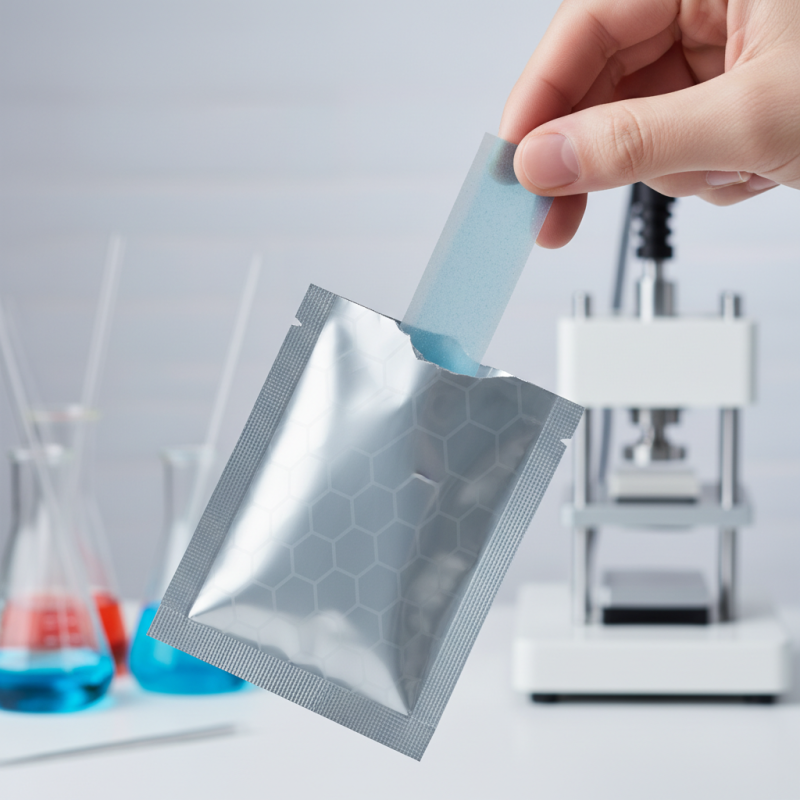
Oral Thin Film Pouching is revolutionizing drug delivery systems. This innovative method utilizes thin films that dissolve quickly in the mouth. These films allow for rapid absorption of medication, bypassing the digestive system.
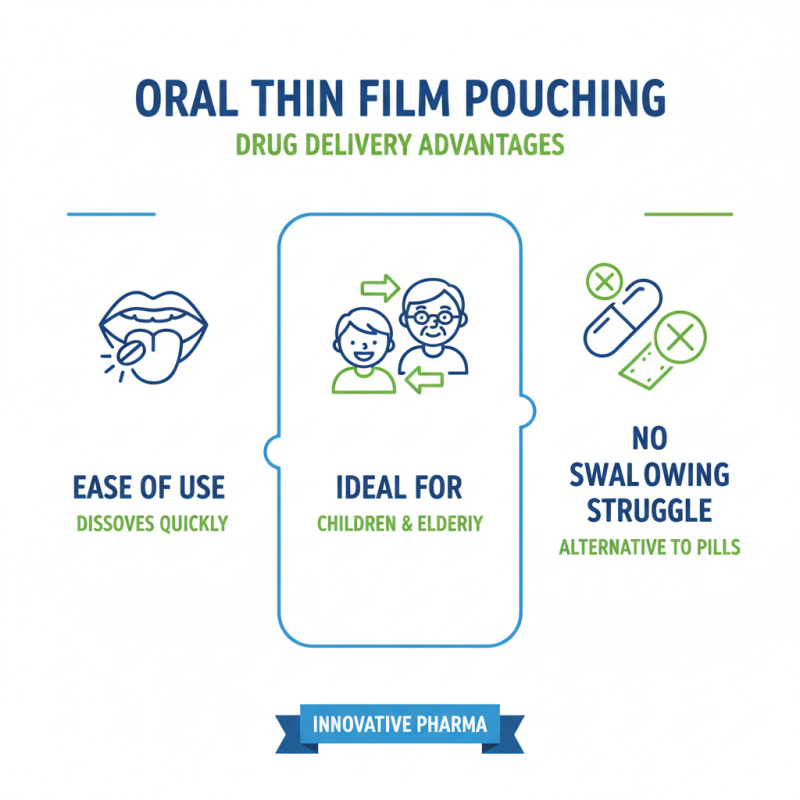
Patients benefit from this delivery method. It is especially useful for those with swallowing difficulties. The compact size and ease of use make it attractive for various age groups. However, challenges remain. Formulating the films using appropriate materials can be complex. Additionally, maintaining stability and ensuring uniformity in dosage are critical.
Oral Thin Film Pouching is an exciting frontier in the pharmaceutical industry. There is much potential to improve patient compliance and experience. Ongoing research will address current limitations and enhance delivery effectiveness. It will be interesting to see future advancements in this field.
Oral Thin Film Pouching: An Innovative Drug Delivery Method
Oral thin film pouching is an innovative drug delivery method that is gaining attention. This approach uses a thin polymer film that dissolves in the mouth. It’s easy to use and can enhance patient compliance. Patients simply place the film on their tongue and wait for it to dissolve. This method is especially useful for those who have difficulty swallowing pills.
One of the key advantages of oral thin films is their rapid onset of action. The drug is absorbed quickly through the mucous membranes in the mouth. This results in faster therapeutic effects compared to traditional oral medications. Additionally, the films can be formulated to deliver a wide range of medications. However, there are challenges too. The stability of some drugs in film form can be an issue. Not all drugs are suitable for this method, which limits options.
The development process of these films can be complex. Scientists must ensure that the film dissolves quickly yet maintains the drug's efficacy. The taste of the film can also be a barrier. If unpalatable, it may deter patients from using it. Finding the right balance in formulation is crucial. Despite these hurdles, oral thin film pouching presents a promising avenue for future drug delivery innovations.
Mechanisms of Drug Release from Oral Thin Film Pouches
Oral thin film pouches are becoming increasingly popular for drug delivery. These pouches dissolve quickly in the mouth, offering a unique mechanism for drug release. Once placed on the tongue, the film adheres, enabling faster absorption through the oral mucosa. This bypasses the digestive system, ensuring rapid onset of action.
The technology relies on a blend of polymers and active ingredients. The polymers control the release rate of the drug. This ensures a consistent and predictable delivery of medication. However, the formulation process can be challenging. Balancing taste, texture, and solubility is not trivial. If any element is off, the overall effectiveness of the pouch may suffer.
Releasing the drug involves several factors. The thickness of the film affects how quickly it dissolves. A thicker pouch may dissolve slowly, potentially delaying the drug's effects. Meanwhile, the moisture level in the mouth influences the dissolution process. Each individual's saliva composition may also impact how well the drug releases. These complexities highlight the need for ongoing optimization in oral thin film design.
Drug Release Mechanisms from Oral Thin Film Pouches
Comparative Analysis: Oral Thin Films vs. Conventional Drug Delivery Systems
Oral thin films are gaining attention in drug delivery. This alternative offers unique advantages over conventional methods. According to a report from MarketsandMarkets, the global oral thin film market is projected to reach $6.46 billion by 2025. That reflects a significant growth opportunity in this sector.
Oral thin films dissolve quickly, allowing rapid absorption. This can lead to faster onset of action compared to traditional tablets and capsules. A study published in the Journal of Pharmaceutical Sciences noted that bioavailability could increase by 10-30% with thin film formulations. However, the exact dosage form might be challenging for some patients, especially children or elderly individuals.
User acceptance is vital. While many embrace the convenience of oral films, some might be hesitant due to taste and texture concerns. Data suggests that 25% of patients prefer conventional pills. This points to a gap that the industry needs to address. Research on improving flavors and textures is necessary. It’s crucial to balance efficiency with patient preferences for better compliance.
Why Choose Oral Thin Film Pouching for Drug Delivery? - Comparative Analysis: Oral Thin Films vs. Conventional Drug Delivery Systems
| Criteria |
Oral Thin Films |
Conventional Drug Delivery Systems |
| Dose Accuracy |
High |
Moderate |
| Onset of Action |
Rapid |
Slower |
| Convenience |
Easy to use |
Requires water |
| Patient Compliance |
High |
Variable |
| Manufacturing Cost |
Lower |
Higher |
| Storage Stability |
Good |
Moderate |
| Taste Masking |
Effective |
Variable |
Regulatory Considerations and Future Trends in Oral Thin Film Technology
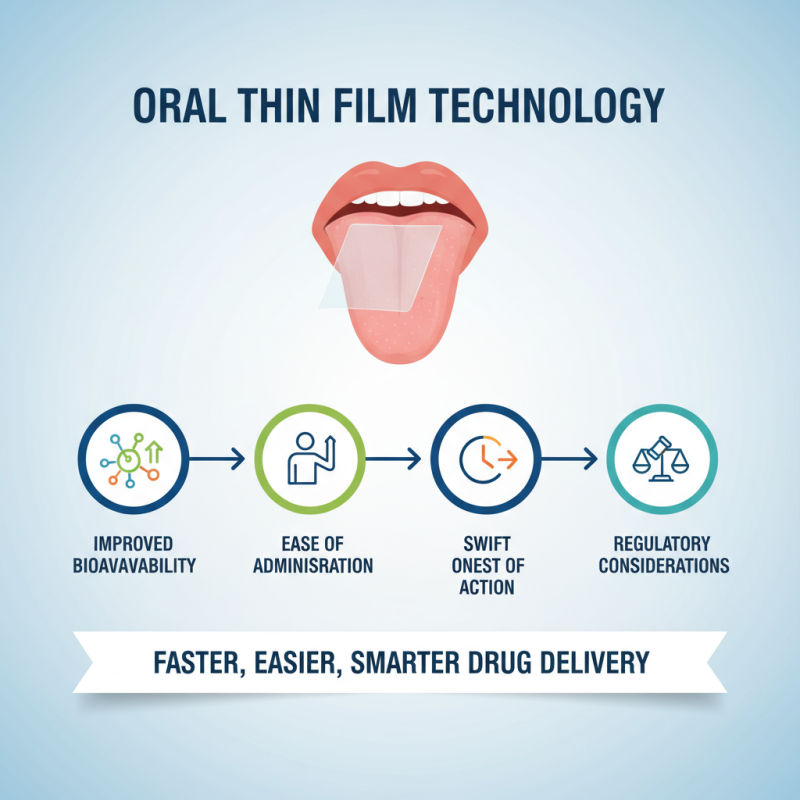
Oral thin film technology is gaining traction in drug delivery. This method offers unique benefits, such as improved bioavailability. Patients find these films easier to administer. They dissolve quickly on the tongue, providing a swift onset of action. However, regulatory considerations play a crucial role in its development and use.
Regulatory bodies emphasize safety and efficacy. Testing these films for stability is critical. Manufacturers often face challenges in meeting rigorous standards. They must ensure uniform dosage and controlled release. Future trends indicate a move toward personalization. Custom films may cater to individual patient needs, ensuring more effective treatments. Yet, achieving this requires ongoing research and collaboration.
The market may see advancements, but hurdles remain. There is a need for comprehensive guidelines. Stakeholders must navigate complex regulations. Future innovations could revolutionize delivery methods. Still, the path forward requires careful planning and reflection on past challenges.