Leave Your Message
Blog

Blog

What is a Powder Pulverizer and How Does it Work?

A Powder Pulverizer is an essential tool in various industries. It transforms bulk materials into fine powders. Understanding how it works can enhance its application in manufacturing and processing.

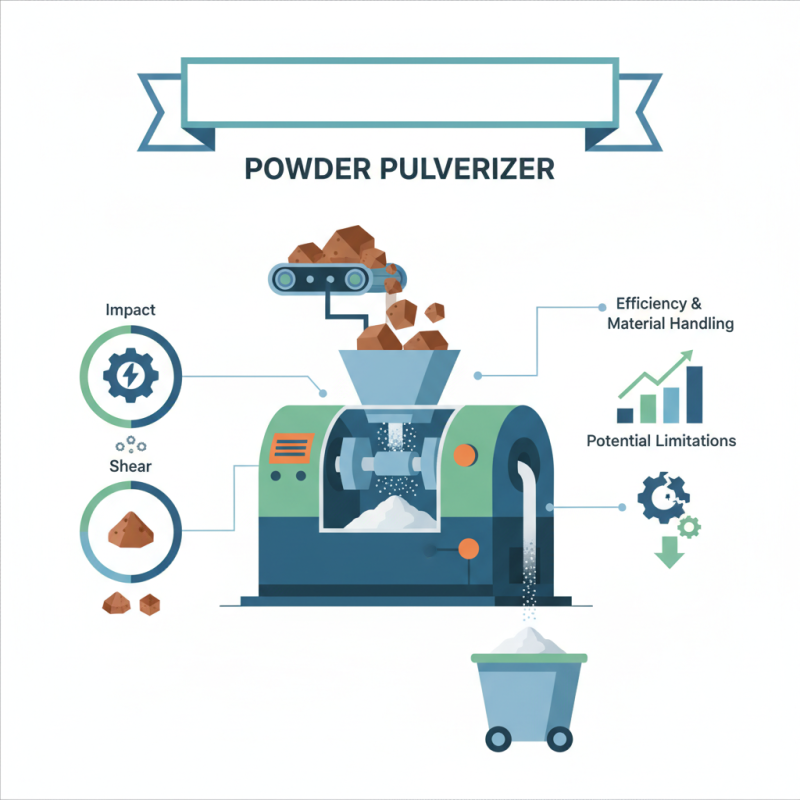
Powder Pulverizers utilize mechanical force to break down substances. They employ various mechanisms, such as impact or shear. Each method leads to unique powder characteristics. This variability can affect product quality. Users must choose the right pulverizer for their specific needs.

Exploring the operational intricacies of a Powder Pulverizer is crucial. It provides insights into efficiency and material handling. Users should also be aware of potential limitations. Recognizing imperfections in the system can lead to better practices. With thoughtful application, a Powder Pulverizer can significantly optimize production processes.
What is a Powder Pulverizer and How Does it Work?

Overview of Powder Pulverizers and Their Applications
What is a Powder Pulverizer and How Does it Work?

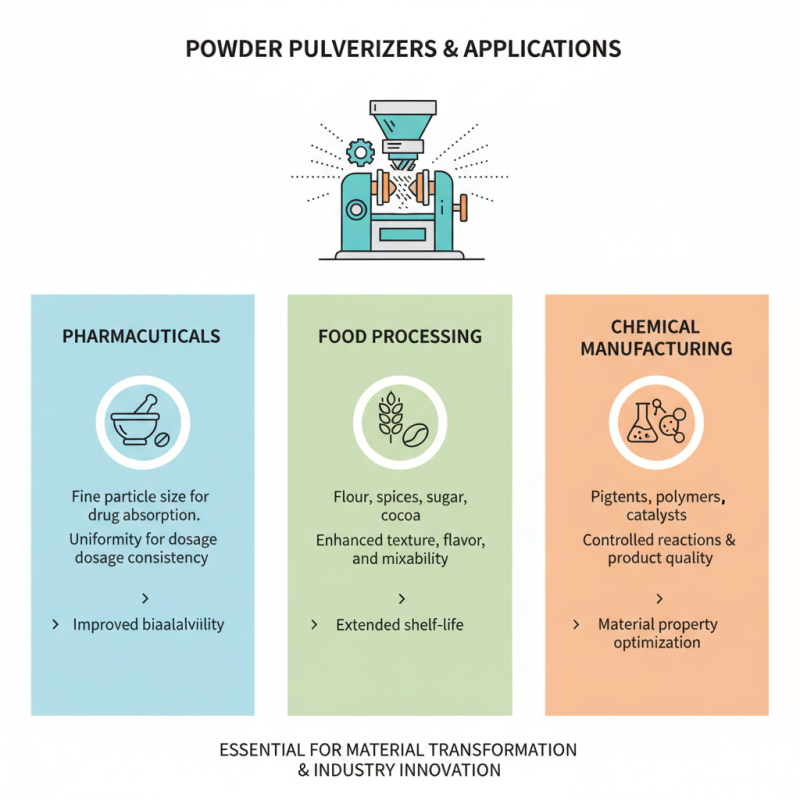
Powder pulverizers are essential in various industries. They are designed to crush, grind, and refine granular materials into fine powders. These machines play a crucial role in pharmaceuticals, food processing, and chemical manufacturing. Each application requires specific settings and techniques to ensure quality and consistency.

In the pharmaceutical industry, precision is key. Manufacturers need fine powders for accurate dosage forms. This requires careful calibration of the pulverizer settings. In food processing, achieving a certain texture is vital. For instance, spices are often ground to different coarseness levels to meet culinary demands. While many use these machines effectively, some might struggle with optimizing particle size.

Industries also face challenges. Maintenance of pulverizers is necessary for consistent output. Neglect can lead to uneven grinding and contamination risks. Additionally, staff training on operational procedures is often overlooked. Proper handling enhances efficiency and safety, reducing potential accidents. Each application showcases the importance of using powder pulverizers effectively and responsibly.
Types of Powder Pulverizers Used in Various Industries

Powder pulverizers play a crucial role across various industries. They are designed to crush and grind materials into fine particles. Different types of pulverizers cater to specific material properties and industry requirements.

In the food industry, for instance, hammer mills are popular. They efficiently pulverize grains and spices into fine powders. This enhances flavors and improves the quality of food products. In the pharmaceutical industry, jet mills are frequently used. They create ultra-fine powders without the risk of contamination, ensuring product safety.

Other industries utilize ball mills and impact crushers. Ball mills work by rotating and grinding materials with steel balls, ideal for heavy minerals. Impact crushers create powders through high-speed collisions, suitable for recycling materials. Every type of pulverizer has its strengths and weaknesses. It's essential to choose the right one based on the material to be processed and the desired particle size. The right selection can impact production efficiency and product quality significantly.

Key Components of a Powder Pulverizer and Their Functions

What is a Powder Pulverizer and How Does it Work?

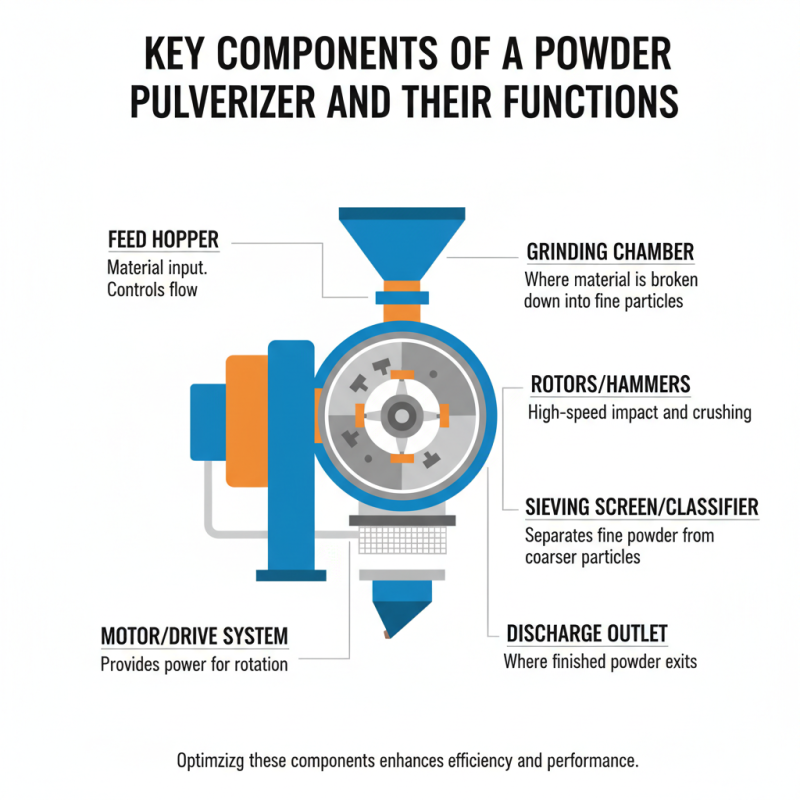
A powder pulverizer is an essential machine used in various industries. It breaks down materials into fine powders. Understanding its key components is crucial for optimizing efficiency and performance.

The grinding chamber is the heart of the pulverizer. It houses the grinding mechanism that transforms raw materials. Feed materials enter through an inlet and are subjected to intense forces. This process often leaves room for improvement, as uniformity in particle size can vary.

The blades or hammers are vital components too. These pieces interact directly with the material. They must be durable, as they undergo wear and tear with each use. Ensuring they are properly maintained can greatly affect performance. Another important part is the air classifier. It separates fine particles from coarser ones. However, the settings might need frequent adjustments to achieve desired results. Regular checks are necessary to ensure optimal function.

Each component has its role, but they work together as a system. Understanding how they impact the pulverizing process can lead to better results. Industry professionals should regularly reflect on the performance of these components for continuous improvement.

Working Mechanism of a Powder Pulverizer Explained

A powder pulverizer is a machine designed to crush, grind, and refine materials into a fine powder. Understanding its working mechanism can enhance efficiency in various industries, such as pharmaceuticals and food processing.

The pulverizer typically operates using a combination of mechanical and physical processes. Materials are fed into the machine, where they encounter sharp blades or hammers. These elements create impact and shear forces, breaking down the material. Adjustments can be made to control the fineness of the powder. However, operators must be cautious about overheating due to continuous operation, which can compromise material quality.

Tips: Always monitor the temperature of the system. Keeping it under control ensures stable performance. Regular maintenance checks can prevent unexpected downtimes. Operators should be aware that not all materials behave the same way. Experimenting with different settings may provide better results.

Using a powder pulverizer may seem straightforward, but challenges can arise. A common issue is material blockage, which can halt production. Regular cleaning can mitigate this risk. Adjusting feed rates can help accommodate different material densities. Balancing speed and power consumption is also crucial for optimal performance.

Benefits and Limitations of Using Powder Pulverizers

Powder pulverizers play a crucial role in various industries, particularly in pharmaceuticals, food processing, and materials manufacturing. They efficiently reduce particles to desired sizes while maintaining consistency. However, using powder pulverizers comes with its own set of benefits and limitations.

One significant benefit is the ability to customize particle sizes. This flexibility can enhance product quality. According to a report from MarketsandMarkets, the global powder processing market is projected to grow significantly, reaching approximately $35 billion by 2025. This growth highlights the increasing reliance on pulverizers for efficient production processes. Nonetheless, the cost of maintenance and operational complexity can pose challenges. It requires trained personnel and can lead to operational downtime.

Tip: Regular maintenance is essential for optimal performance. Small issues can escalate if not addressed. Another limitation to consider is dust generation during pulverization. This not only affects air quality but also poses safety hazards. Implementing effective dust control measures is critical in any processing plant. Balancing these advantages and hurdles is crucial for effective equipment usage. Companies need to assess their specific needs and capabilities when integrating pulverizing technology into their operations.

Benefits and Limitations of Using Powder Pulverizers