2026 Top Natoli Tablet Press Suppliers for Global Buyers?
Selecting a reliable tablet press supplier requires more than comparing machine prices. Global buyers must examine compression performance, tooling compatibility, validation support, spare-parts access, and operator training. These details directly affect production continuity, tablet weight control, and long-term ownership costs. A polished brochure is not enough.
Steve Natoli, a recognized tableting-industry expert and leader at Natoli Engineering, has said, “The tablet press is the heart of the tablet manufacturing process.” His observation remains relevant in 2026. A press may look impressive in a showroom, yet practical performance appears during extended runs, product changeovers, and difficult formulations. Buyers should request application data, factory acceptance criteria, service response times, and references from comparable facilities.
This guide reviews leading Natoli Tablet Press suppliers for international purchasers. It considers equipment design, manufacturing experience, technical documentation, commissioning support, and regional service coverage. It also considers less visible factors, such as communication during installation and the availability of genuine replacement parts. Small delays become expensive.
No supplier fits every plant. A high-speed production site may need advanced monitoring and automated controls. A growing manufacturer may value flexible configurations and responsive training. Some comparisons remain imperfect because supplier data is not always presented consistently. That limitation deserves attention. Buyers should verify specifications independently before signing a purchase agreement. The strongest decision combines measurable evidence with practical judgment, not reputation alone.

What Is a Natoli Tablet Press and Why Does Supplier Selection Matter?
What Is a Natoli Tablet Press and Why Does Supplier Selection Matter?
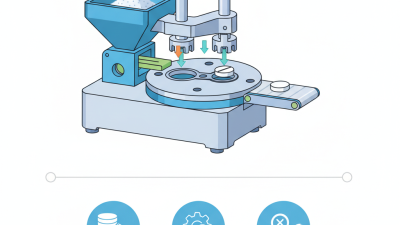
A Natoli tablet press is a rotary machine that compresses measured powder into consistent tablets. Its performance depends on force control, turret design, feeder stability, and tooling accuracy. In production, small defects can become expensive quickly. Weight variation, picking, or capped tablets may interrupt an entire batch. The International Society for Pharmaceutical Engineering stresses equipment qualification, traceability, and documented process control. These requirements make supplier selection a technical decision, not merely a purchasing exercise.
Market reports also show why buyers should examine long-term support. Grand View Research estimates the global pharmaceutical manufacturing equipment market will grow steadily through 2030. MarketsandMarkets forecasts roughly 5% annual growth for related tablet-processing equipment. Growth increases demand for reliable machines and qualified service teams. A serious supplier should provide factory acceptance testing, installation records, spare-parts planning, and operator training. Ask about compression-force monitoring and data integrity controls. Ask about cleaning access, too. It is often overlooked. Total cost includes downtime, validation work, tooling wear, and local response time. A low initial quotation can therefore become the higher-cost choice. Even experienced buyers can misjudge this comparison. Supplier audits, sample-tablet trials, and written performance limits reduce that risk. One uncomfortable question remains: can the supplier support the press five years later?
Key Supplier Capabilities for Global Pharmaceutical Buyers
Global pharmaceutical buyers need more than a tablet press with impressive speed figures. They need a supplier that understands production realities across different sites, operators, and regulatory systems. Experienced suppliers should provide compression-force data, feeder performance records, tooling guidance, and clear machine limitations. Those details matter when tablets crack during scale-up or weight variation appears after a long production run.
Strong technical support should include factory acceptance testing, site acceptance testing, and practical training for operators and maintenance teams.
Buyers should also examine validation packages, calibration records, software access controls, and audit-trail functions. Reliable suppliers maintain documented spare-parts planning, responsive service channels, and regional support coverage. A missing sensor can stop a line for days. That cost is easy to underestimate.
Equipment flexibility is equally important. Quick-change parts, accessible cleaning areas, dust-control options, and recipe management can reduce downtime between products. However, every claimed feature needs evidence from comparable installations. A polished demonstration is not enough. Ask for performance data under realistic materials and operating conditions. No supplier is perfect. Delivery estimates may shift, and technical assumptions can be wrong. Buyers should record these risks, define acceptance criteria, and review communication quality before signing a long-term agreement.
Comparing Equipment, Services, Compliance, and Total Ownership Costs
Choosing a tablet press supplier requires more than comparing purchase prices. Global buyers should assess compression force control, turret capacity, tooling compatibility, dust extraction, and in-process monitoring. A reliable machine should support consistent weight, hardness, and thickness during long production runs. Small differences matter.
Service quality can decide total ownership costs. Ask about factory acceptance testing, installation support, operator training, and validation documents, including IQ, OQ, and PQ packages. Suppliers should explain spare-parts availability, software updates, remote diagnostics, and emergency response times. Local electrical standards and data-integrity expectations also need review. In regulated facilities, incomplete records can delay release and increase hidden costs. The cheapest quote may look attractive, but downtime, difficult cleaning, and unavailable components can change the calculation. This is where many evaluations remain too optimistic.
Tips: Request a five-year cost model, not only a purchase quotation. Include tooling replacement, preventive maintenance, electricity, calibration, training, and expected downtime. Compare FAT and SAT criteria in writing. Visit an operating installation if possible. Check whether cleaning access is practical with gloved hands. Ask users about response quality, not just response speed. A supplier may promise strong support, yet the contract might leave critical details unclear. That gap deserves careful questioning.
How to Select the Right Natoli Tablet Press Supplier for Your Market
Selecting the right tablet press supplier requires more than comparing production speed. Grand View Research valued the global pharmaceutical manufacturing equipment market at about USD 15.7 billion in 2023. That growth increases supplier choice, but also increases evaluation risk. Match the press to your market’s batch sizes, tablet geometry, tooling standards, and electrical requirements. A machine designed for high-volume plants may perform poorly in a smaller facility. Ask for verified output data using comparable formulations, not ideal laboratory materials.
Compliance evidence should be practical and traceable. Request equipment qualification protocols, material certificates, calibration records, and change-control procedures. The FDA’s current good manufacturing practice framework emphasizes validated processes, reliable equipment, and documented controls. Service quality matters just as much. Review spare-parts availability, remote diagnostics, technician response times, and local language support. ISPE guidance on pharmaceutical engineering also highlights lifecycle management and data integrity. These details often decide whether commissioning takes weeks or months.
I would score suppliers across performance, compliance, service, and total ownership cost. Keep it simple. Include factory acceptance testing with measurable limits for compression force, weight variation, and reject accuracy. A supplier may promise excellent uptime, yet provide limited evidence from your region. That deserves careful questioning. My own assessment would not be perfect, because future formulations can change the workload. Leave room for modular upgrades, operator training, and realistic maintenance access. A polished demonstration is useful, but production records are stronger evidence.