Leave Your Message
Blog

Blog

Why Choose a Capsule Packaging Machine?

Why Choose a Capsule Packaging Machine?

Choosing the right Capsule Packaging Machine can shape product quality, labor efficiency, and long-term operating costs. In a busy pharmaceutical facility, operators may handle thousands of capsules per hour. A reliable machine feeds, counts, fills, seals, and labels capsules with controlled precision. Small improvements matter. Less waste. Fewer interruptions.

Packaging engineer John D. Henry explains, “A dependable capsule line protects product integrity before it pursues production speed.” This principle deserves attention. Speed alone cannot solve inconsistent feeding, damaged capsules, or unclear batch records. A well-designed Capsule Packaging Machine should support accurate dosing, gentle handling, quick changeovers, and repeatable inspection. Stainless-steel contact parts also simplify cleaning and reduce contamination risks. Sensors can detect missing capsules, incorrect counts, or open packaging before products leave the line.

The strongest reason to invest is control. Automated systems create more consistent results than manual packing, especially during extended production runs. They can also connect with coding, weighing, vision inspection, and traceability systems. These features support documented quality procedures and responsible manufacturing practices.

Still, no machine is perfect. Poor setup can waste its advantages. Operators need training, preventive maintenance, and careful format adjustments. A cheaper model may appear attractive, but spare-part access and technical support can decide its real value. Buyers should compare output, capsule sizes, cleaning time, validation support, and total ownership cost. The right choice is not always the fastest machine. It is the machine that performs reliably, safely, and transparently every day.
Why Choose a Capsule Packaging Machine?

What Is a Capsule Packaging Machine?

What Is a Capsule Packaging Machine?

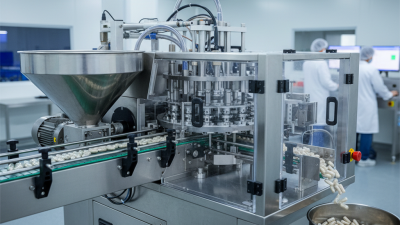
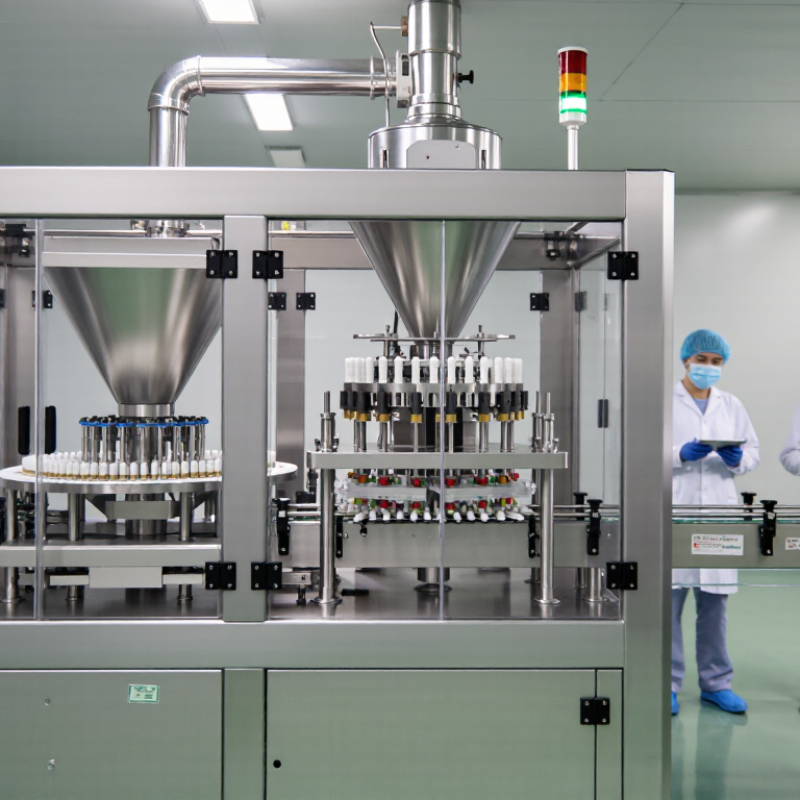
A capsule packaging machine is automated equipment for protecting, counting, and presenting filled capsules. It is not a capsule filler. The machine usually feeds capsules into blister packs, bottles, or pouches. It may also seal containers, add labels, insert desiccants, and verify pack quality. Some production lines use cameras to detect empty pockets, broken capsules, or incorrect counts.

The choice depends on capsule size, packaging format, output, and inspection requirements. A blister line may form clear cavities, place capsules, seal foil, and print batch information within seconds. A bottle system may count capsules, control fill weight, apply a cap, and reject unstable containers. Grand View Research forecasts strong growth in pharmaceutical packaging, with a compound annual growth rate near 9.7% through 2030. However, market estimates differ by scope. That detail deserves attention. Equipment speed alone does not prove reliability. WHO reports that about one in ten medical products in low- and middle-income countries is substandard or falsified. Packaging cannot solve every quality problem, but accurate counting, sealing, and traceability reduce avoidable risks.

Tips: Test the machine with real capsule dimensions, powder residue, and packaging materials. Check cleaning access, sensor accuracy, changeover time, and reject records. Operators should document results, not trust a polished demonstration. Small errors matter.

Sources: Grand View Research, Pharmaceutical Packaging Market Report; World Health Organization, Global Surveillance and Monitoring System Report.

How Does a Capsule Packaging Machine Work?

Why Choose a Capsule Packaging Machine?

How Does a Capsule Packaging Machine Work?

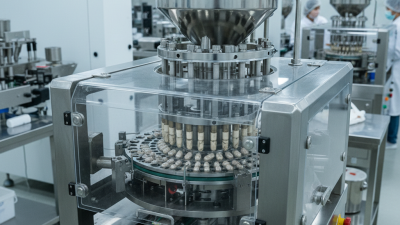
A capsule packaging machine moves empty containers through a controlled filling and sealing process. It usually starts with a hopper that stores clean, approved capsules. A feeding system separates them and guides each capsule into the counting area. Sensors check movement and reduce double feeding. Accuracy matters here. Small errors spread.

The machine then counts capsules into bottles, trays, or other suitable containers. Some systems use electronic counters, while others use precision channels and optical detection. After filling, a conveyor moves each container toward closing equipment. The cap is positioned, tightened, and checked for proper placement. A sealing station may add an inner seal when the product requires extra protection.

Operators still influence the result. They adjust speed, capsule size, fill quantity, and sensor sensitivity. They also inspect samples during production. A loose cap, damaged capsule, or blocked chute can interrupt the line quickly. The weak point is often the setup, not the machine. Cleaning between batches helps prevent mix-ups and supports reliable quality control. Records should include settings, checks, rejected units, and maintenance work. This information supports traceability and practical troubleshooting.

The process is efficient, but not perfectly forgiving. Dust, humidity, and uneven capsule flow can affect performance. Routine calibration and careful observation remain essential. A good machine saves labor. Skilled oversight makes its output dependable.

Which Products Can Be Packed in Capsules?

Why Choose a Capsule Packaging Machine?

Which Products Can Be Packed in Capsules?

Capsule packaging machines can handle many measured products, especially dry powders. Common examples include vitamins, minerals, botanical extracts, protein blends, amino acids, and probiotic cultures. They can also fill granules, pellets, and small tablets into one capsule. The fit matters. Each material needs the right capsule size, filling method, and dosage control.

Some machines support hard-shell capsules for powders and multipart particles. Softgel systems are better suited to oils, liquid nutrients, and certain semisolid formulas. Moisture-sensitive ingredients may require controlled humidity, sealed storage, and careful material selection. Highly fluffy or sticky powders can create bridging inside the hopper. Not every powder works.

A reliable production process uses trial runs, weight checks, and documented cleaning procedures. Operators should inspect capsule locking, shell damage, fill variation, and powder leakage. For regulated products, testing must also support identity, strength, purity, and applicable manufacturing requirements. In practice, a stable formula may still perform poorly at high speed. A neat trial result can mislead. Small changes in particle size or moisture can affect output. Engineers should review machine settings with quality personnel before full-scale production, rather than trusting one successful batch.

What Benefits Does Capsule Packaging Provide?

A capsule packaging machine can turn a careful filling process into a consistent, measurable operation. Capsules are counted, aligned, sealed, and prepared for labeled containers with less manual handling. This reduces dust exposure and lowers counting mistakes during busy production runs. Uniform presentation also helps staff inspect fill levels, damaged shells, and loose closures. That matters when every package must match approved specifications. Many systems record settings, batch details, and inspection results. These records support traceability and make quality reviews more practical. However, automation is not magic. Poor calibration can repeat an error faster.

Tips: Verify fill accuracy before regular production begins. Keep contact surfaces clean and inspect them between batches. Train operators to notice unusual noise, jams, or uneven capsule flow. A simple checklist often prevents overlooked problems.

The strongest benefit is reliable output without removing human responsibility. Operators still need validated procedures, suitable packaging materials, and routine maintenance. A machine may reduce labor pressure, yet it cannot replace sound judgment. Production teams should compare speed, changeover time, cleaning access, and inspection features before choosing equipment. Small details matter, such as clear controls and easy access to moving parts. From practical experience, these details influence daily efficiency more than impressive speed claims. The ideal system supports quality, protects product condition, and gives staff useful information throughout the packaging process.

How Should You Select the Right Capsule Packaging Machine?

Why Choose a Capsule Packaging Machine?

Selecting the right capsule packaging machine starts with the product, not the advertised speed. Review capsule size, shell material, fill sensitivity, and packaging format. A machine that handles bottles may not suit blister packs. PMMI’s 2024 pharmaceutical packaging report identifies automation, labor availability, and traceability as major investment drivers. These factors matter on a real production floor.

Measure output under normal conditions. Ask for speeds with inspection, filling, rejection, and changeover included. Grand View Research valued the global pharmaceutical packaging market at over USD 100 billion in 2023, showing the scale of packaging demand. Yet market growth does not justify buying excess capacity. A practical selection should compare hourly output, uptime, waste, and cleaning time. The fastest machine can still lose money.

Check documentation before discussing price. The equipment should support GMP expectations, electronic records, access control, and repeatable validation. FDA guidance on process validation emphasizes documented control throughout the lifecycle. Request factory acceptance testing with your actual capsules and materials. Also examine tool-free changeover, dust control, vision inspection, and data export. Operators will expose weaknesses quickly. A machine may look efficient during a demonstration, but frequent manual adjustments can reduce yield. I would also question optimistic supplier figures. They often reflect ideal conditions. A cautious trial, a transparent total-cost model, and service response data provide stronger evidence than brochure claims.

Why Choose a Capsule Packaging Machine? - How Should You Select the Right Capsule Packaging Machine?

A practical comparison of capsule packaging formats, performance factors, and selection criteria

Selection Dimension Common Options Typical Data or Requirement Best Fit Selection Consideration
Packaging Format Blister packs, bottles, strip packs, or sachets Format determines the feeding system, sealing method, tooling, and downstream inspection requirements. Confirm the required pack format before comparing machine speed or price.
Production Volume Small batch, medium volume, or continuous high-volume production Small and medium lines commonly use intermittent motion; high-volume lines may use continuous motion and automated feeding. Allow capacity for maintenance, material changes, quality checks, and production downtime.
Typical Output Range Low-speed, mid-speed, and high-speed configurations Blister lines may range from several dozen to several hundred packs per minute, depending on cavity count, pitch, product size, and machine design. Rated speed is not the same as sustained good-product output.
Capsule Size Compatibility Common hard capsule sizes from 000 to 5 Capsule dimensions vary by size; larger capsules require suitable product channels, pockets, feeders, and tooling. Ask for documented change parts and the expected changeover time for each capsule size.
Product Feeding Manual loading, vibratory feeding, centrifugal feeding, or controlled automatic feeding Feeding accuracy depends on capsule geometry, surface condition, orientation, speed, and hopper design. Check whether the feeder minimizes scratches, jams, bridging, and capsule damage.
Dose and Count Accuracy Visual inspection, sensor-based counting, or automated rejection Counting performance should be validated with the intended capsule type, speed, and pack configuration. Define acceptable count error, rejection logic, and verification procedures before purchase.
Barrier Protection Standard foil, high-barrier foil, cold-form foil, or moisture-resistant materials Barrier selection depends on sensitivity to moisture, oxygen, light, temperature, and shelf-life requirements. Confirm that forming, sealing temperature, pressure, and dwell time suit the selected material.
Sealing Performance Heat sealing, cold-form sealing, or strip-pack sealing Seal quality is influenced by temperature, pressure, dwell time, material compatibility, and surface cleanliness. Request seal-integrity testing and product samples using the intended packaging materials.
Changeover Manual, assisted, or tool-free changeover Changeover time depends on pack dimensions, capsule size, forming tools, sealing tools, and product-contact parts. Evaluate changeover steps, tool storage, adjustment points, and cleaning access.
Automation Level Standalone machine, integrated line, or fully automated line Automation may include feeding, printing, vision inspection, rejection, cartoning, serialization, and data recording. Check communication protocols and compatibility with upstream and downstream equipment.
Quality Inspection Manual checks, sensor inspection, camera inspection, or integrated vision systems Inspection can detect missing capsules, empty pockets, damaged packs, incorrect print, and seal defects. Verify inspection sensitivity, false-rejection rate, data logging, and reject-bin security.
Material Compatibility PVC, PVC/PVdC, PET-based structures, aluminum foil, or cold-form laminate Each material has different forming, sealing, barrier, recyclability, and storage characteristics. Do not rely only on nominal material names; confirm specifications with production trials.
Operating Environment General production area, controlled clean area, or regulated pharmaceutical area Equipment may require stainless-steel contact surfaces, smooth finishes, enclosed drives, and controlled dust exposure. Review cleaning validation, accessibility, dust control, and applicable regulatory requirements.
Cleaning and Maintenance Basic access, removable product-contact parts, or cleanable and validated design Frequent cleaning requires tool access, clear procedures, drainage considerations, and minimal product-retention areas. Compare preventive-maintenance intervals, spare-part availability, and service response requirements.
Utilities Electrical power, compressed air, vacuum, and dust extraction Requirements vary by configuration; pneumatic systems commonly need clean, dry compressed air. Request a complete utility list covering pressure, flow, power, exhaust, and connection points.
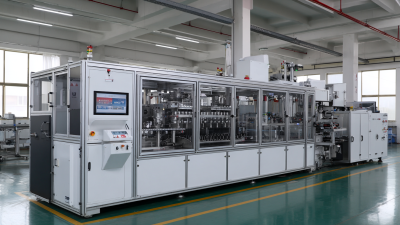
Footprint and Layout Compact standalone unit, modular line, or integrated packaging cell Required space includes the machine, operator access, material storage, maintenance clearance, and finished-pack handling. Review overall dimensions, access doors, conveyor direction, and material-roll handling space.
Safety Features Guards, interlocks, emergency stops, overload protection, and fault alarms Safety systems should prevent access to hazardous motion and stop the machine when protective devices are opened. Verify compliance with applicable local machinery-safety requirements and site procedures.
Data and Traceability Basic counters, electronic batch records, barcode verification, and serialization support Data functions can include batch numbers, production counts, rejects, alarms, downtime, and operator access levels. Confirm data export, user permissions, audit trails, and integration with existing systems.
Total Cost of Ownership Purchase price, tooling, materials, labor, utilities, maintenance, and downtime A lower initial price may result in higher operating costs if changeovers are slow or waste is high. Include tooling, spare parts, training, validation, installation, and energy consumption in the evaluation.
Validation and Documentation Factory testing, site acceptance testing, operating procedures, and maintenance records Regulated applications may require documented installation, operation, and performance verification. Define acceptance criteria, sample quantities, test materials, and responsibilities before ordering.
Recommended Decision Rule Performance, quality, flexibility, compliance, and lifecycle cost Choose the machine that meets the required output and pack quality with acceptable changeover time and operating cost. Always conduct a product-and-material trial before final selection.

Note: Output ranges and machine capabilities are general industry guidance. Actual performance depends on capsule dimensions, product characteristics, pack size, material structure, tooling, operator practice, and validation conditions.