How to Choose the Best Tablet Press for Your Needs?
Selecting the right tablet press is crucial for manufacturing efficiency and product quality. According to a recent industry report, the global tablet press market is projected to grow at a CAGR of 6.2% through 2027. This growth reflects the rising demand for pharmaceuticals and the increased focus on reliable tablet production. As various types of tablet presses are available, understanding your specific needs is essential.
A modern tablet press can range from simple machines to highly sophisticated equipment. Key factors to consider include production capacity, tablet size, and the type of materials used. It’s important to incorporate these elements into your decision-making. Reliability and consistency are paramount, especially in regulated industries. A poorly chosen tablet press can lead to costly production delays and reduced product quality.
Moreover, staying updated with technological advancements plays a vital role in the selection process. Careful consideration of manufacturer reputation is necessary. Misjudging your requirements may result in underperformance or overspending. Thus, the decision-making process demands a balance of expertise, market analysis, and a thorough assessment of operational goals.

Understanding the Different Types of Tablet Presses Available
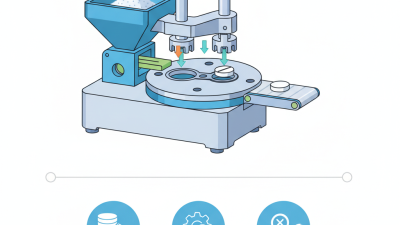
When choosing a tablet press, understanding the various types available is crucial. There are primarily two main categories: single-punch and rotary tablet presses. Single-punch presses are suitable for small-scale production. These machines compress powders into tablets one at a time. According to industry reports, they are ideal for research and development settings. However, they may not meet the speed required for larger operations.
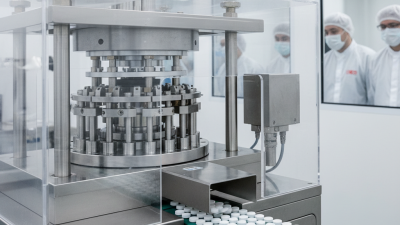
On the other hand, rotary tablet presses excel in high-volume manufacturing. They operate continuously, producing hundreds of tablets per minute. Data from the International Society for Pharmaceutical Engineering indicates that rotary presses can increase production efficiency by as much as 30%. Still, these machines require proper maintenance and setup. Neglecting this can lead to inconsistent tablet quality.
Also worth considering are the features that match your specific needs. Some presses come with advanced controls for precise dosing and quality monitoring. This can be beneficial, especially when dealing with complex formulations. However, more features often lead to higher costs. Therefore, a balance between functionality and budget is essential. Each type has its advantages and drawbacks, making it vital to evaluate operational needs thoroughly.
Key Factors to Consider When Choosing a Tablet Press
When selecting a tablet press, it’s essential to consider several key factors. The type of materials you plan to use will impact your choice. Some tablet presses are better suited for powders, while others handle granules or pellets effectively. Understanding the properties of your materials can lead to better tablet quality and efficiency.
Another critical factor is the production volume you anticipate. Smaller operations might not need a high-capacity machine, while larger manufacturers require robust solutions for mass production. Think about how often the machine will be used. A durable model can save costs in the long run. However, it’s also vital to reflect on maintenance needs. Some machines need frequent upkeep, which can disrupt production schedules.
Efficiency and precision are paramount. An ideal tablet press can produce tablets uniformly, maintaining consistent weights and hardness. This consistency affects the overall product quality. Moreover, consider the ease of operation. A complex machine might slow down training processes for new operators. Finding a balance between advanced features and usability is crucial for long-term success.
How to Choose the Best Tablet Press for Your Needs?
| Factor |
Description |
Importance Level |
| Tablet Diameter |
Determines the size of the tablets produced. |
High |
| Production Capacity |
Output speed, specified in tablets per hour. |
High |
| Customization Options |
Ability to adjust settings for different formulations. |
Medium |
| Ease of Cleaning |
Design features that facilitate quick cleaning between runs. |
High |
| Cost |
Initial investment and maintenance costs associated. |
High |
| Safety Features |
Incorporated safety measures to protect operators. |
High |
| Size and Footprint |
Physical size of the machine relative to available space. |
Medium |
| Service and Support |
Availability of technical support and service channels. |
Medium |
Evaluating Production Capacity and Speed Requirements
When selecting a tablet press, understanding production capacity and speed is crucial. The demand for tablets often fluctuates. Assessing how many tablets you need to produce in a specific timeframe will help you decide. A press with higher capacity may seem ideal, but it might not fit smaller production runs. Consider your average batch size and peak demands.
Speed is another important factor. A faster press can significantly boost efficiency. However, speed does not always equate to quality. Some manufacturers prioritize speed at the expense of tablet integrity. It can lead to compromised quality—something you cannot afford. Balance is key. A moderate-speed press might meet your needs better, especially for products requiring strict quality control.
Additionally, evaluate the technology behind the machine. Some presses offer advanced features that enhance both capacity and speed. Others may lack flexibility in adjusting settings. Think about future production needs. Not all equipment adapts easily to changes in volume or product type. As your business evolves, ensure the tablet press can keep pace with your growth.
Production Capacity and Speed Requirements of Tablet Presses
Assessing Budget Constraints and Cost-Effectiveness
When selecting a tablet press, budget constraints play a critical role. A well-researched investment can lead to significant savings in the long run. The market offers options ranging from $5,000 to $50,000, depending on capacity and features. According to industry reports, the average cost-effectiveness of a high-quality tablet press can reduce production costs by 30%. This statistic emphasizes the importance of evaluating not just the upfront costs but also the long-term benefits.
It's vital to analyze the total cost of ownership. Maintenance and operational costs can vary significantly. Some presses require frequent servicing, which can add up over time. Industry data shows that companies often overlook these expenses initially but reevaluate them later. This miscalculation can lead to unexpected financial strain. Therefore, understanding the balance between initial price, quality, and ongoing expenses is essential for making an informed decision.
Moreover, selecting a tablet press should include a review of its efficiency. A more efficient machine can lead to higher production rates. Reports indicate that efficiency improvements of 20-25% are common with modern tablet presses. However, businesses must also consider the learning curve associated with advanced machinery. Investing in staff training can also have budget implications. Balancing these factors can ensure that the chosen tablet press meets both current and future production needs effectively and sustainably.
Identifying Additional Features and Customization Options
When exploring tablet presses, it's crucial to consider additional features and customization options. These elements can significantly impact performance and efficiency. For instance, adjustable parameters such as pressure, speed, and die size allow for tailored production. This adaptability can enhance the quality of the tablets produced, accommodating varying formulations and production scales.
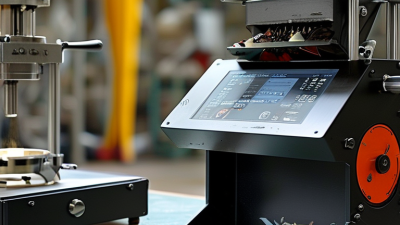
Look for features like advanced control systems and user-friendly interfaces. A reliable touchscreen can simplify operation and improve precision. Customization options may also include specialized tooling and coatings that align with your production goals. Ensuring that the tablet press meets specific industry standards can enhance product safety and compliance.
Reflecting on your needs is vital. Are you producing small batches or large volumes? Understanding your production scale will inform your choices. Not all features may be necessary; therefore, distinguishing between essential and optional attributes is important. This critical approach helps in investing wisely while addressing unique requirements.